

Homeowner to-do list
Use these steps to turn the article’s guidance into a practical plan.
Tick items as you go. Checkmarks are not saved to your account.
Two jobs, one continuous boundary
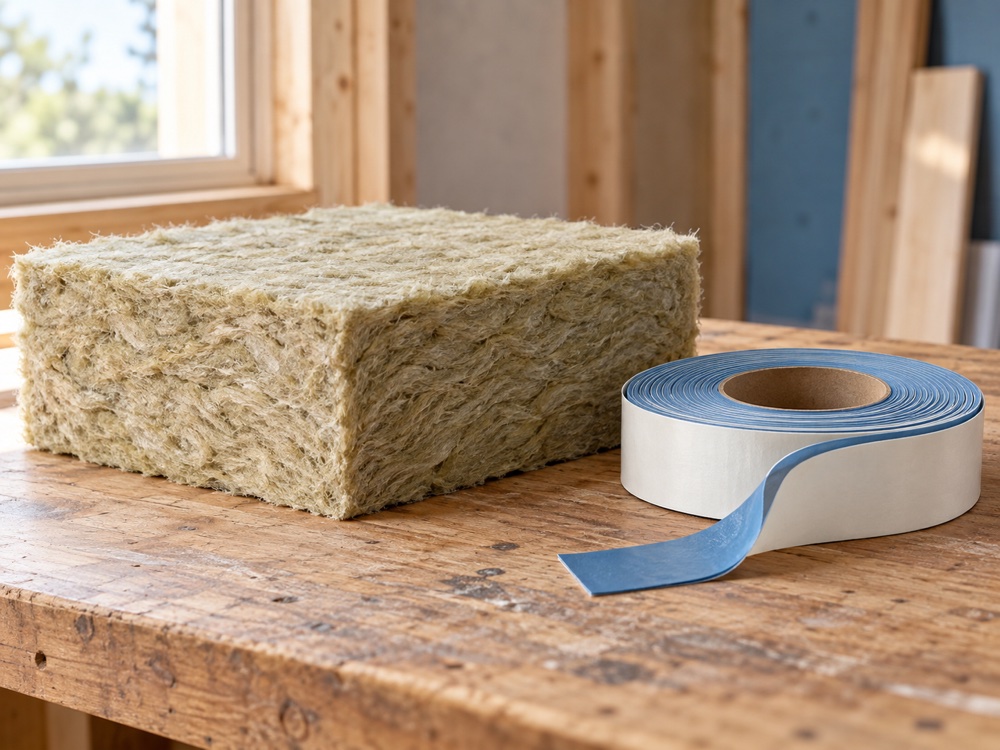
Think of insulation as the sweater and air sealing as the windbreaker. Insulation resists heat flowing through the building materials. Air sealing closes unintended paths where air can move through the enclosure. A thick sweater helps on a still day; wind passing through it is a different problem. A house benefits from both layers working together.
The boundary surrounds the rooms you heat or cool. In a home with an unconditioned, vented attic, it normally follows the ceiling below the attic. In other roof designs it can follow the roofline. Establish which arrangement you have before choosing work: sealing the ceiling is not the same as closing the roof vents.
Why another layer of insulation may not fix the draft
Fibrous insulation is not an air barrier. Air can travel through gaps beside it, through joints between materials or along concealed service routes. Those paths may begin far from the spot where you feel a draft. The useful question is not just “How much insulation is there?” but “Where is the continuous air-control layer, and where is it interrupted?”
A cold surface is not proof of a leak. Heat can also pass through glass, framing and other materials. Record where the discomfort occurs and whether wind changes it; let an assessment distinguish leakage from inadequate insulation or heat delivery.
Start with observations you can make safely
From the occupied rooms, look for missing or damaged weatherstripping on accessible exterior doors and windows. Note whether they close and latch normally. Keep a short record of draft locations, weather, condensation and any known water leaks. Photographs of visible defects are useful; opening walls or entering an attic is not necessary for this first pass.
Do not create a do-it-yourself pressure test by running every exhaust fan. A qualified assessor can plan testing around combustion appliances and other hazards. In a rental or shared building, ask the owner or manager before changing seals or assemblies.
A manageable first repair: a worn door seal
For an ordinary, accessible exterior door with a sound frame, replacement weatherstripping can be a reasonable small project. Identify the existing profile and attachment method, choose a compatible replacement, measure carefully, and follow its installation instructions. Clean and dry the contact surfaces as directed.
After fitting it, check the entire perimeter and open, close and latch the door several times. The seal should make contact without making the door difficult to operate. Stop if the frame is damaged or the door is badly misaligned. Fire-rated doors and shared-building doors need the appropriate approved components and responsible person’s authorization.
Plan the hidden work before buying materials
The less obvious paths can be around attic access, wall-to-ceiling connections and the junction between a framed floor and foundation. Ask an energy assessor which paths are actually present and which should be priorities. A blower-door test measures leakage under controlled test conditions; inspection helps locate it. The result alone does not diagnose every room.
Have water leaks and damaged materials assessed before covering them. Suspected vermiculite insulation should be left undisturbed because it may contain asbestos. Work near wiring, recessed lights, chimneys, flues and combustion equipment belongs with people qualified for those conditions. Generic expanding foam is not a universal repair material.
Keep fresh air and moisture in the plan
Unwanted leaks are not a dependable ventilation system. Before substantial tightening, ask how the home will receive and distribute outdoor air and remove bathroom and kitchen moisture. Homes with fuel-burning appliances also need combustion-safety assessment. The work should preserve designed ventilation, drainage and combustion-air openings.
“Seal it tight and ventilate right.”
Climate changes the details. A cold-climate wall and a wall in a hot, humid climate may need different drying strategies. Do not add an interior plastic vapour barrier simply because it appears in a renovation example from somewhere else. Have the proposed assembly checked against local requirements and the existing construction.
What a useful quote and completion record include
Ask for the areas to be sealed, the insulation scope, prerequisite repairs, product details and the method of checking the result. Separate access and repair work from the insulation quantity so competing quotes describe comparable jobs. No single savings percentage or payback period applies to every house.
For a measured retrofit, request before-and-after test results with the test conditions recorded, photos of work that will be concealed, and a list of unresolved areas. Ask what ventilation and appliance-safety checks will follow. Keep those records alongside your original comfort observations: the evidence and the experience both matter.