

Heating, ventilation and safety
Backdrafting and carbon monoxide: when exhaust changes the house
Understand how fans and combustion appliances interact, and why makeup air needs a whole-house assessment.
Our articles are a starting point, not a professional assessment of your home.
DraftA work in progress, prepared by the HouseIQ.pro team.Editorial and professional review are not yet complete.
The Big Picture
A fan moving air out must get replacement air from somewhere. That pressure change can interfere with appliances that depend on room air and natural draft.
An alarm is a reason to leave immediately
If a carbon monoxide alarm sounds, leave the building immediately and move to fresh air. Call emergency services from outside. Do not stay inside to find the source, silence the alarm and resume normal activity, or run a fan as an experiment. Follow emergency responders' instructions about re-entry and correction of the problem.
Headache, dizziness, nausea, weakness or confusion can be signs of exposure, especially when several people feel unwell in the same place. Seek urgent help when exposure is suspected. CO cannot be identified by its smell or colour. A room that seems normal and a person who starts feeling better outside do not establish that the building is safe to re-enter.
Combustion needs an intended air and exhaust path
Fuel-burning equipment must receive the air it needs and discharge combustion products through its intended route. Furnaces, water heaters, boilers, fireplaces and other equipment do not all use the same arrangement. Some draw combustion air from the surrounding room; sealed-combustion designs bring it from outdoors through a dedicated path.
The distinction matters more than the appliance's age or how efficient it is advertised to be. Ask a qualified technician to identify each system and record it with the model information. A fan-assisted vent is not automatically the same as sealed combustion. Knowing which equipment communicates with indoor air makes later conversations about air sealing and exhaust much more precise.
An exhaust fan changes the pressure balance
A kitchen hood, clothes dryer or exhaust fan removes air from the home. Replacement air must enter through deliberate openings, leakage paths or other connections to outside. If that replacement is restricted, indoor pressure can fall relative to outdoors. The house behaves as a connected system even when the fan and appliance are on different floors.
An easy analogy is drinking through a straw from a container that cannot admit replacement air: flow depends on both the outlet and the way air gets back in. A house is more complicated because doors, wind, temperature and equipment all change the paths. That is why a fan's advertised airflow alone cannot describe the actual pressure conditions around a water heater.
Natural draft can lose the competition
A naturally drafted appliance relies on buoyancy and its venting arrangement to carry combustion gases outdoors. Depressurization can interfere with that movement and cause spillage or reversal of flow. This is commonly discussed as backdrafting. A powerful exhaust hood can therefore affect a room-air water heater even though the kitchen appliance and water heater have separate controls.
That does not mean every large hood creates the same problem or that a small hood is automatically harmless. The actual building, vent condition and combinations of operating equipment matter. Do not try to prove safety with a candle, smoke match, hand near a draft opening or a quick glance at the flame. Professional assessment uses appropriate instruments and procedures.
A successful air-sealing project still needs safety checks
Air sealing reduces uncontrolled leakage, which can improve comfort and energy performance. It also changes the paths through which replacement air previously entered. A house that tolerated a particular exhaust arrangement before renovation may behave differently afterward. Enclosing a utility room or changing an interior door can matter too.
Discuss combustion safety before and after work that changes the building's air boundary. Include plans for a new hood, dryer, fireplace or ventilation system in the assessment. Do not deliberately leave random leaks as a substitute for a designed solution. The goal is a tighter, comfortable home with safe air and exhaust arrangements, verified under the conditions relevant to that home.
Makeup air is a designed replacement path
Makeup air is air intentionally supplied to replace air being exhausted. A system may need controls that coordinate with the exhaust equipment, suitable distribution and measures addressing the temperature of incoming air. The correct approach depends on the home and applicable requirements, not simply the presence of an exterior grille.
Ask the designer where the replacement air enters, what opens or operates when the hood runs, and how the arrangement will be checked. There is no universal airflow threshold in this article for a motorized makeup-air requirement: local adopted codes, amendments, equipment and exceptions must be confirmed. A cracked window is not a dependable permanent control strategy for a system that occupants expect to operate normally.
Ask for the interactions to be tested
A combustion assessment should consider the appliances and relevant exhaust equipment together. Ask what conditions will be evaluated, how room pressures and venting performance will be assessed, and how any problems will be documented and corrected. The scope should reflect the actual equipment and professional procedures rather than a generic promise that the house passed.
Provide a list of fans and appliances, including less obvious equipment such as a whole-house fan or an infrequently used fireplace. Tell the technician about planned renovations and any previous alarm events. Keep the findings and recommendations in your records. If a hazard is identified, follow the professional's restrictions and correction plan before returning affected equipment to use.
Alarms and maintenance are complementary protections
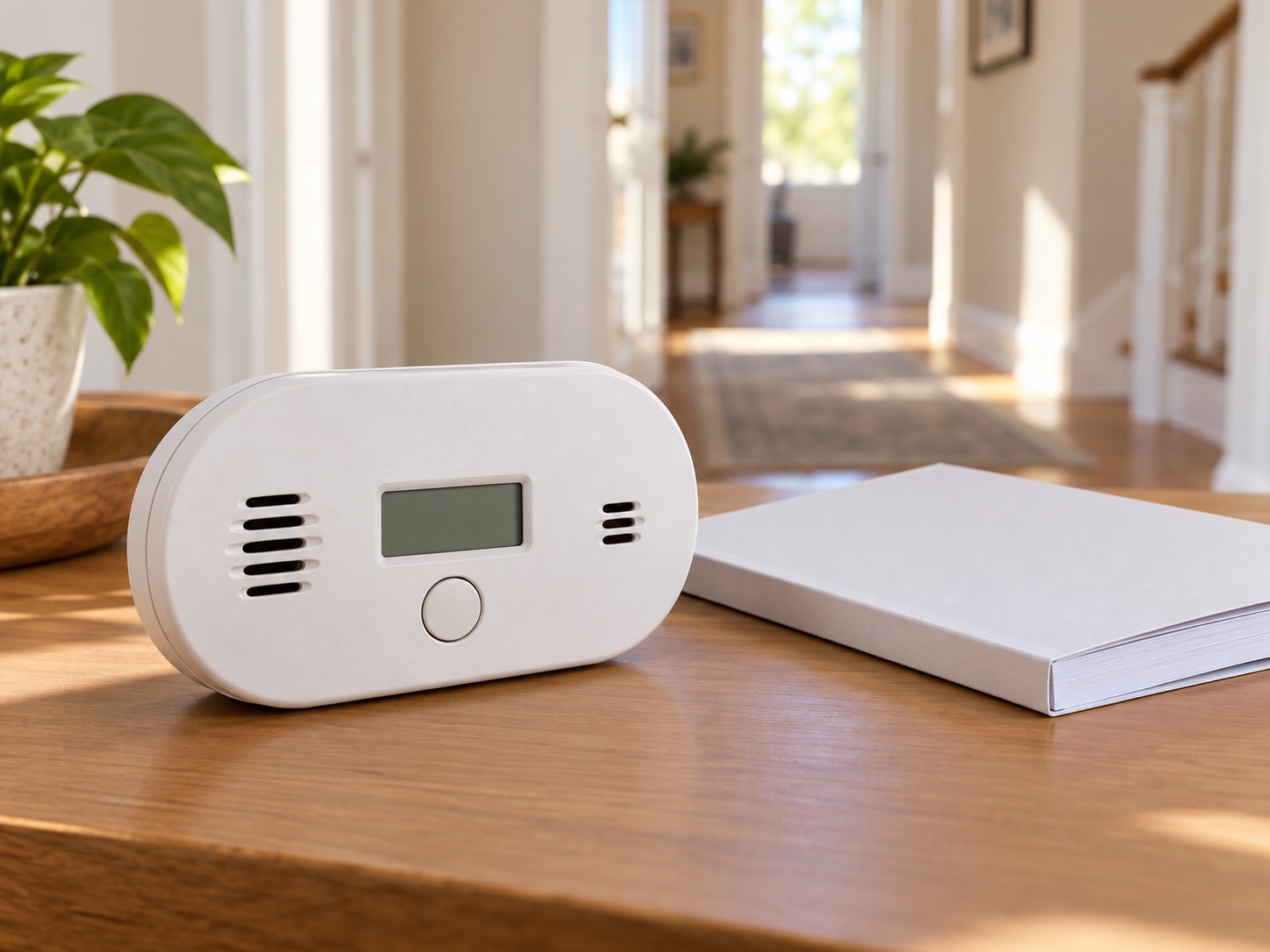
Install suitable certified CO alarms according to local requirements and the manufacturer's placement, testing and replacement instructions. A smoke alarm does not detect CO unless it is specifically a combination device. Record replacement dates and arrange the checks the manufacturer calls for. An alarm is an essential warning device, not evidence that an appliance is venting correctly every day.
Have fuel-burning equipment inspected and maintained professionally at the recommended intervals. Report disconnected, corroded or blocked venting observed from a safe location. Check accessible outdoor terminations after snow or debris accumulation without climbing or dismantling equipment. Keep vehicles and outdoor fuel-burning equipment from operating in garages or enclosed spaces; an open garage door does not make those practices safe.
Use equipment changes to improve the whole arrangement
When replacing equipment, ask about sealed-combustion direct-vent options or suitable non-combustion alternatives. These choices can reduce particular interactions with indoor air, but every option still needs a proper installation and assessment of the remaining equipment. Removing one appliance from a shared vent can change conditions for the appliance left behind.
Compare proposals on the full scope: equipment, venting, air supply, any remaining shared system and verification after completion. Do not assume an efficient new furnace resolves a separate water heater's draft problem. A coordinated plan is easier to understand when the installer explains how each appliance receives air and where its exhaust goes, and records what was checked at handover.
Questions worth asking
- Which appliances use indoor air, and which are sealed combustion?
- How will this hood or air-sealing project affect pressure and venting?
- What local makeup-air requirements apply to this exact proposal?
- Who tests the completed arrangement and documents any corrections?
Sources
- Health Canada Carbon monoxide: preventing exposure
- Health Canada Carbon monoxide overview
- Pacific Northwest National Laboratory Combustion appliance zone testing
- Pacific Northwest National Laboratory Direct vent equipment
- U.S. Consumer Product Safety Commission Carbon monoxide information center