
 The HouseIQ
Library
No sign-in needed
Increase your HouseIQ.
Read our articles. Understand your home, inside and out. Connect the clues and ask better questions about your whole property.
EXPLORE BY SUBJECT
All articles Insulation & envelopeWalls, air sealing and comfort.26 articles
 Heating systemsHeat pumps, furnaces and controls.18 articles
 Cooling & airCooling, ventilation and humidity.19 articles
 Windows & doorsGlass, frames, shading and seals.16 articles
 Plumbing & waterWater heating, pipes and fixtures.17 articles
 Electrical & energyPanels, appliances, solar and batteries.28 articles
 Roofs & drainageRoofs, gutters and water around the home.20 articles
 Outdoor spacesDecks, fences, porches, patios and pools.9 articles
 Interiors & finishesFloors, walls, counters and everyday care.9 articles
 Structure & foundationsFoundations, framing and structural warning signs.11 articles
 Safety & securityElectrical protection, alarms and safer homes.17 articles
 Ownership & maintenanceInsurance, records and planning home upkeep.17 articles
106 articles are labelled Draft. They are works in progress; editorial and professional review are not yet complete. All articles are open to read.
The HouseIQ Library
114 articles · No sign-in needed
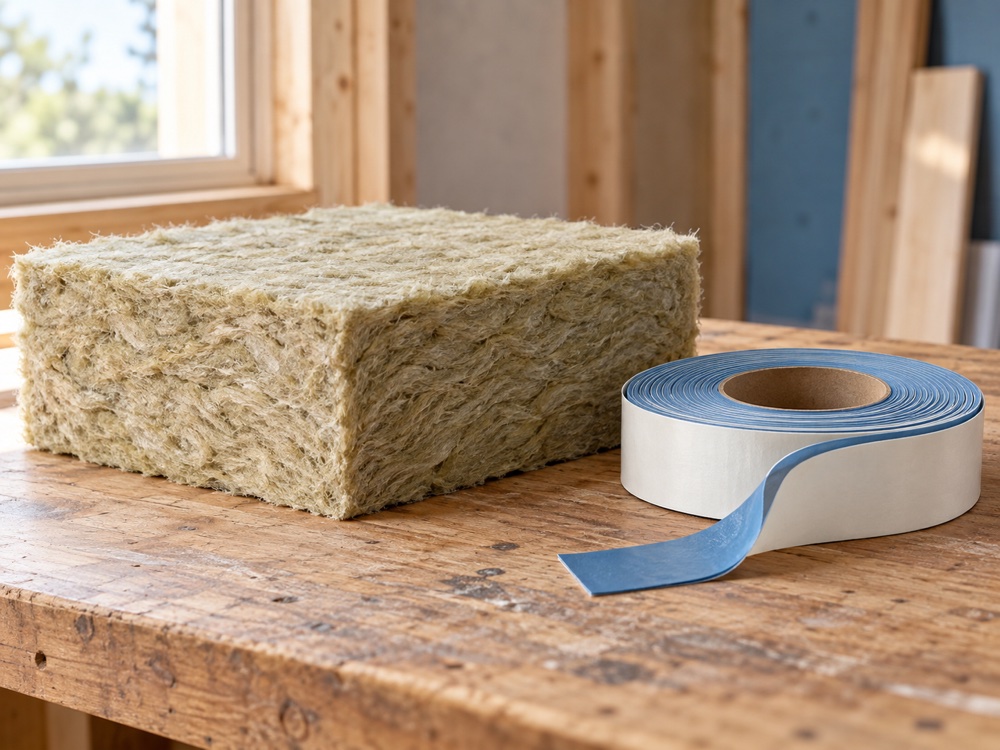
Insulation and air sealing: two different jobs.
A sweater keeps you warm. A windbreaker keeps the breeze out. Your house needs both ideas.
Read the story
R-value is a starting point. Not the whole story.
The number tells you about resistance to heat flow. Installation tells you much more.
Read the story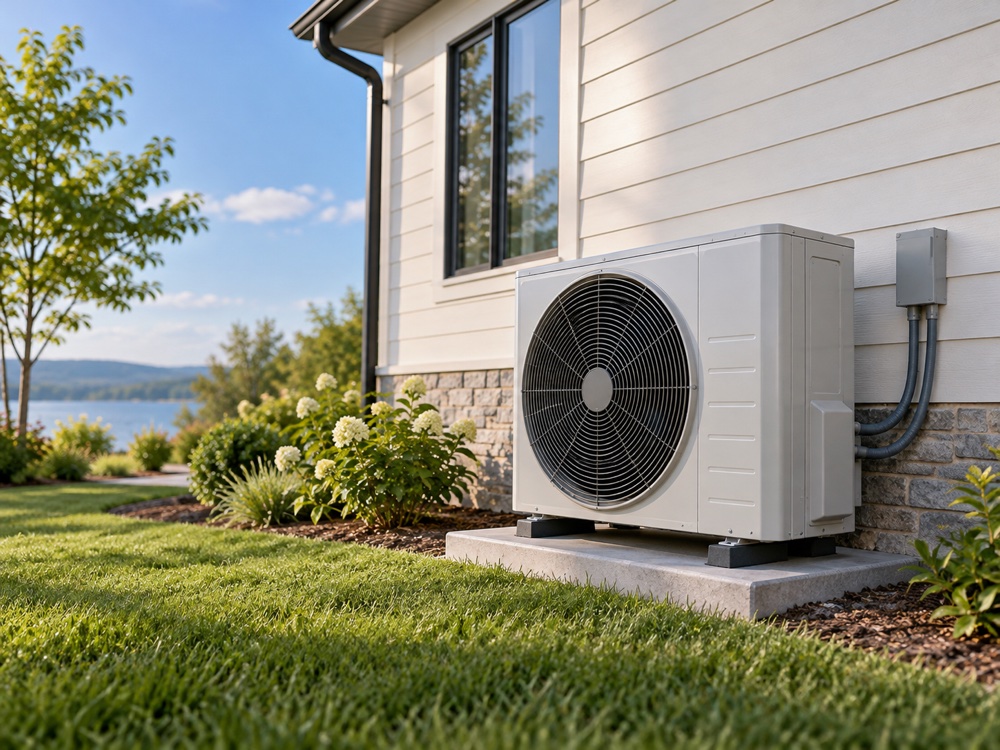
A heat pump moves heat. That changes the conversation.
Heating and cooling can be two directions of the same process.
Read the story
The heat is on. So why is one room cold?
Follow the heat loss and the heat delivery before blaming the thermostat.
Read the story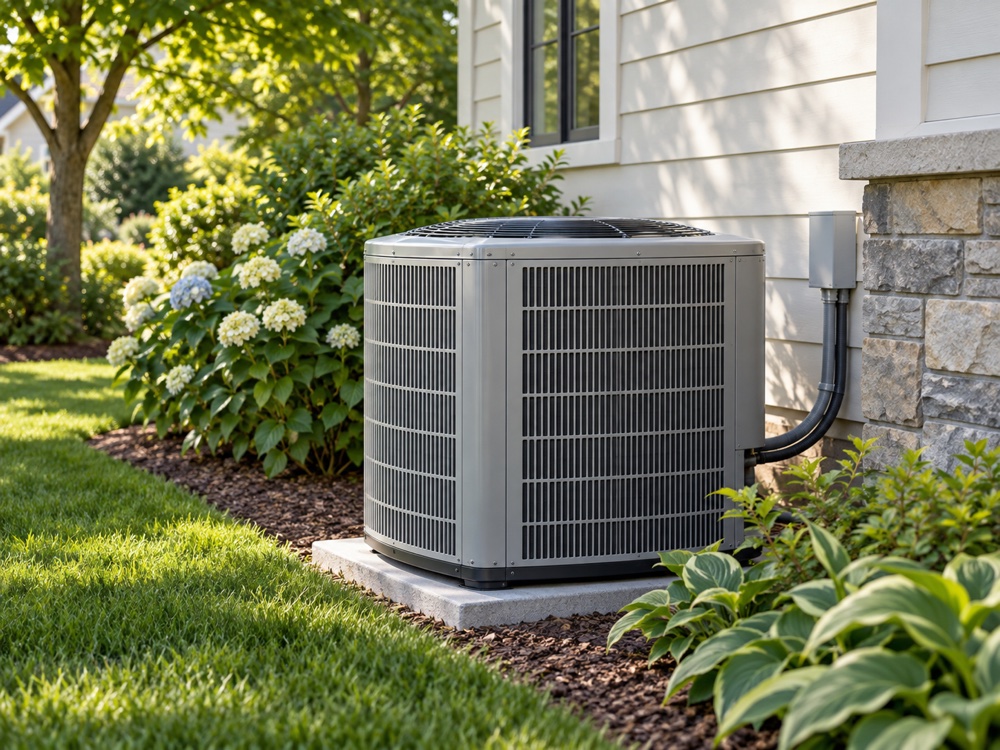
Your AC doesn’t create cold. It moves heat.
Understanding the journey makes the equipment a little less mysterious.
Read the story
Still uncomfortable? Start with the summer clues.
A useful cooling conversation begins with what you notice.
Read the story
A foggy window is a clue. What kind?
The first question is where the moisture appears.
Read the story
Before you replace the windows, ask these questions.
Comfort depends on more than the glass alone.
Read the story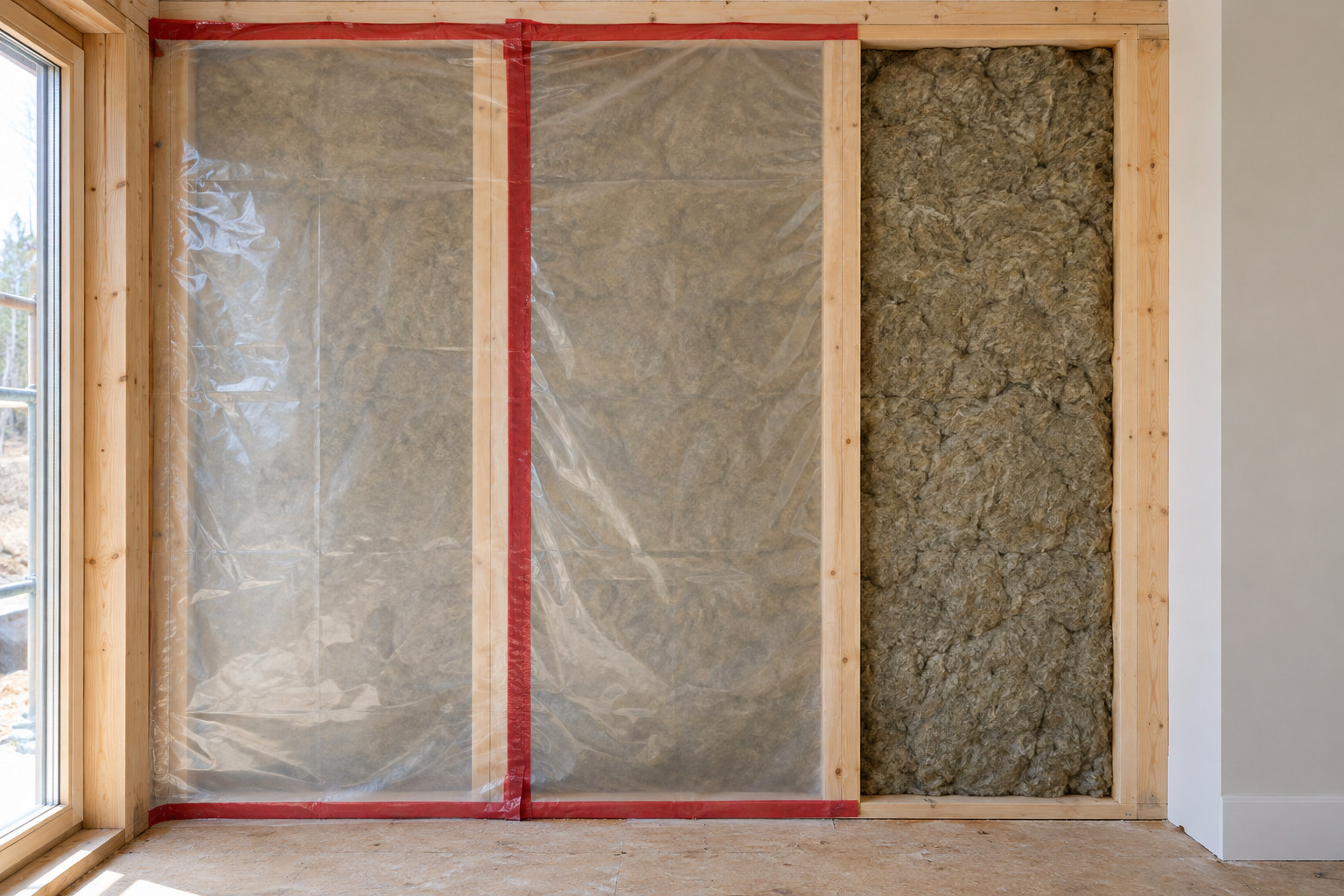
Air barriers and vapour retarders: two different jobs
Understand how air leakage and vapour diffusion move moisture, why one sheet can do two jobs, and why the right wall detail depends on climate.
Read the draft →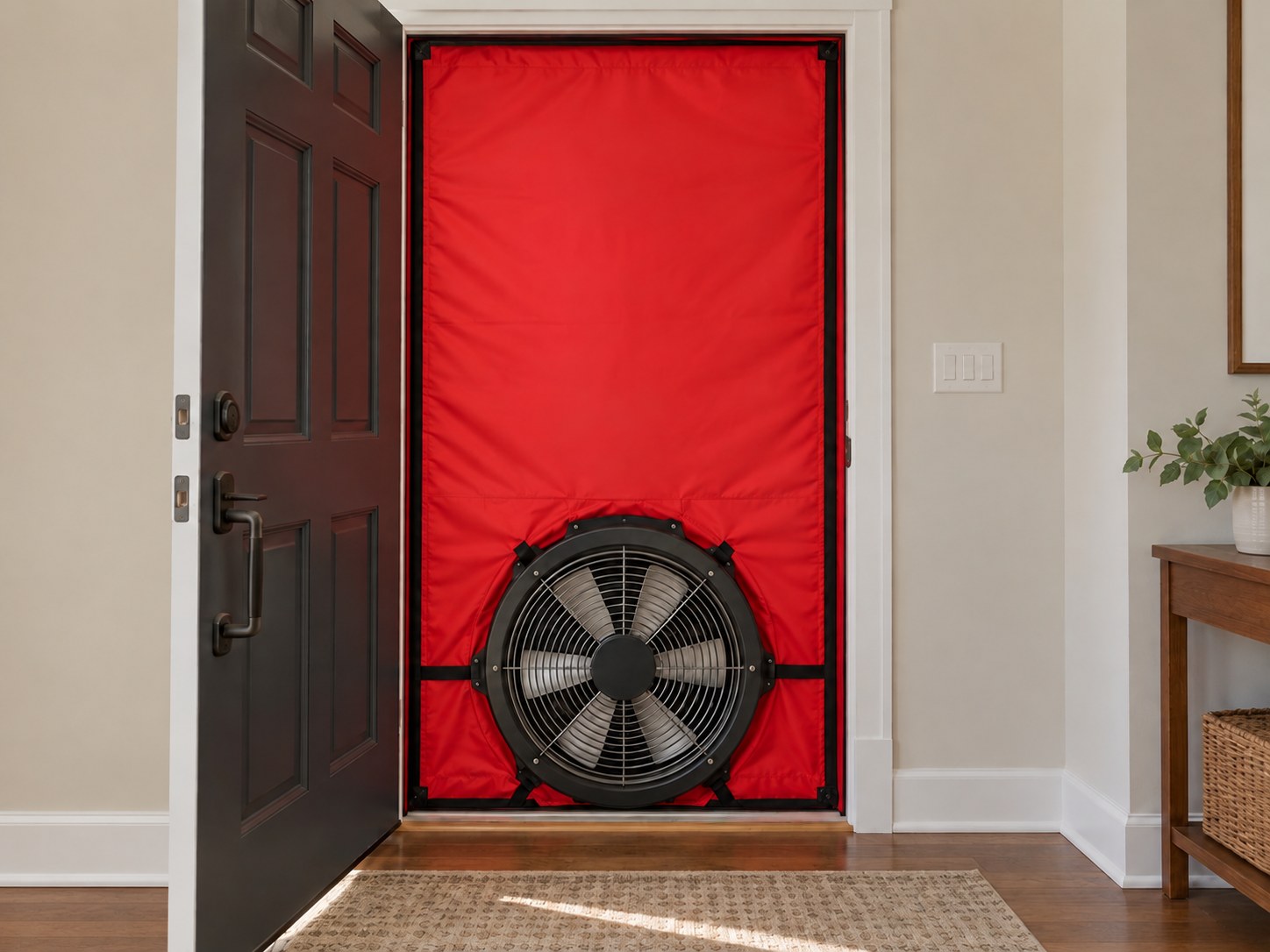
Blower-door testing: what −50 Pa and ACH50 mean
Understand the test pressure, the wind analogy and the numbers in a blower-door report before planning repairs.
Read the draft →
Attic insulation: heat loss, eaves and ice dams
Read insulation ratings in context, understand the space needed at the eaves, and connect winter roof problems with air leakage and heat flow.
Read the draft →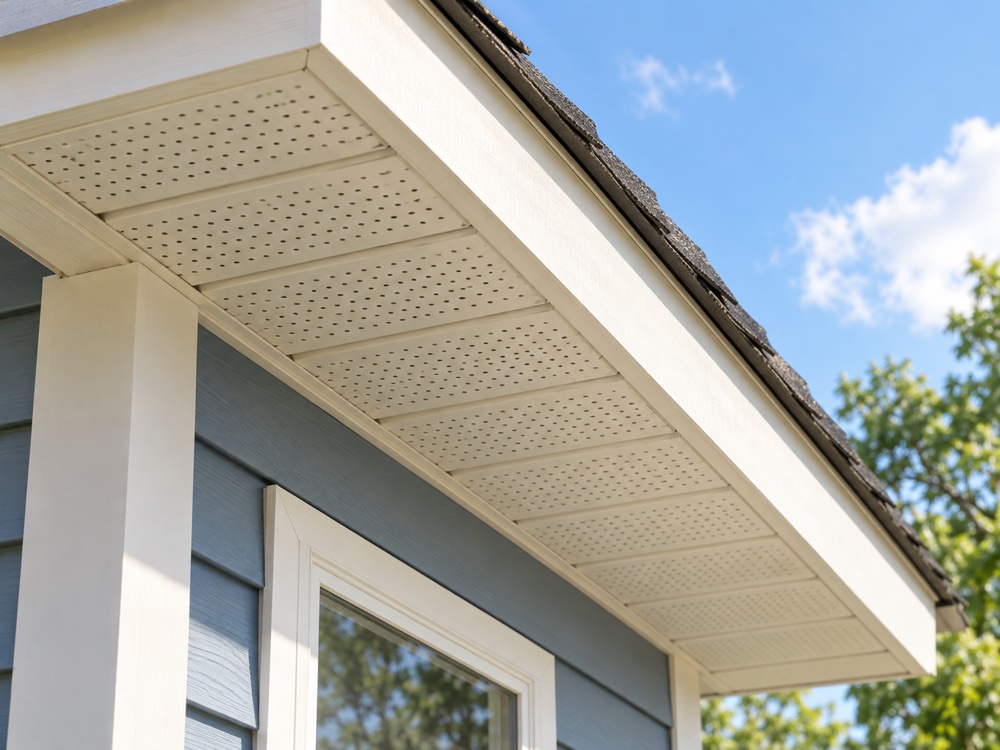
Attic ventilation: ratios, vent paths and fan effects
Follow a conditional 1:300 example, understand net free vent area, and see why a cooler attic does not automatically mean a more efficient home.
Read the draft →
Basement and foundation insulation: inside or outside?
Compare interior and exterior foam systems, understand the moisture they must manage, and ask the right questions about older masonry and frost.
Read the draft →
Brick walls: understand the cavity behind the face
Separate thermal mass from insulation, and see how cavities, flashings, weeps and air barriers work together behind brick veneer.
Read the draft →
Planning a continuous exterior insulation retrofit
When siding comes off, exterior insulation can improve the wall behind it. The important decisions concern the complete assembly and its connections.
Read the draft →
Cool roofs, radiant barriers and solar attic fans
Understand three different approaches to attic heat, compare roof ratings, and ask whether a cooler attic will meaningfully improve your home.
Read the draft →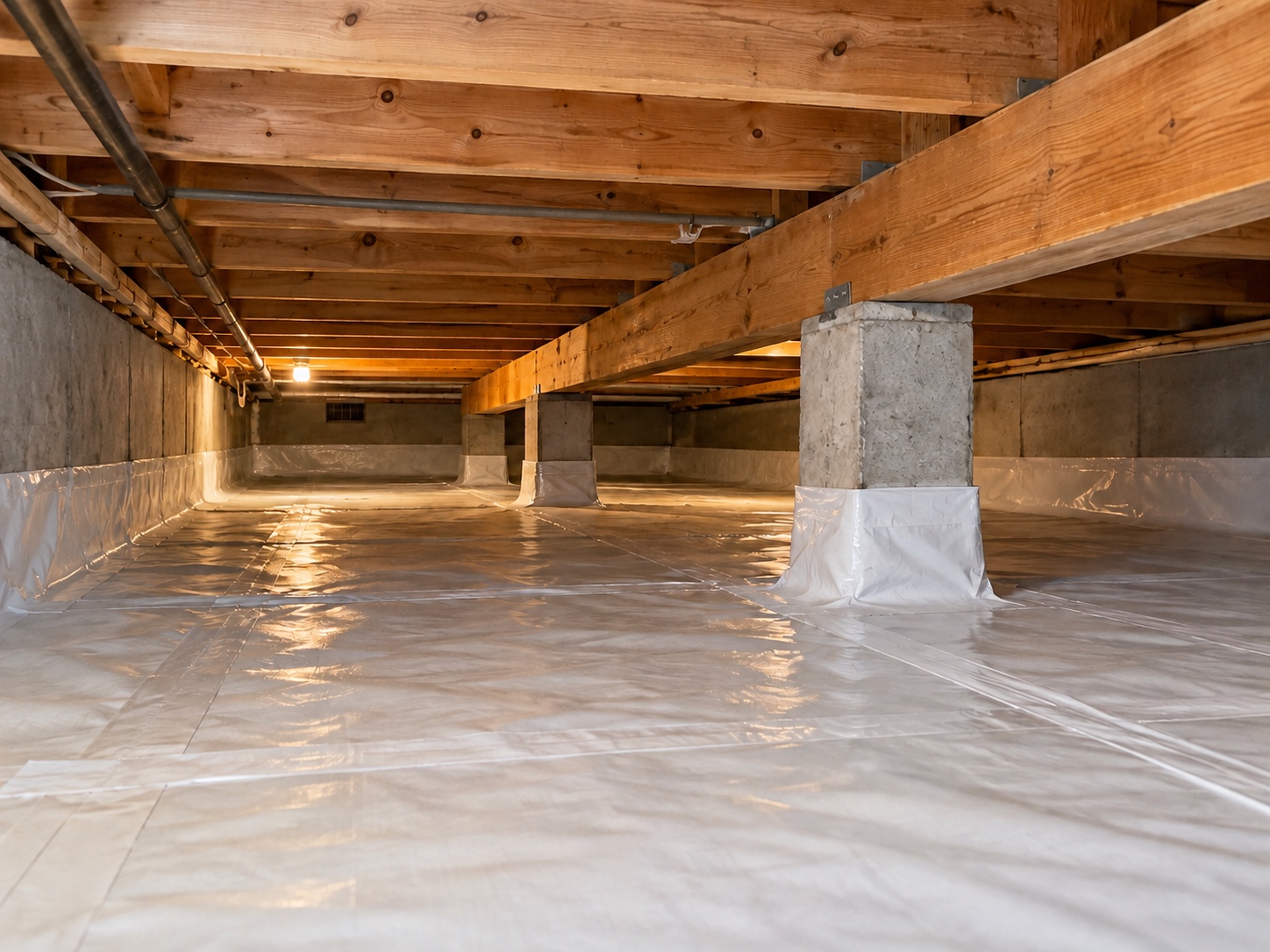
Crawlspace encapsulation and insulation: vented, closed or conditioned?
Understand where the home's air and insulation boundaries belong, why outdoor air can add moisture, and what a complete crawlspace proposal should explain.
Read the draft →
Dehumidification: why a cool home can still feel damp
Understand why a comfortably cool home can still feel damp, what dedicated dehumidification can do, and why dry room air cannot guarantee dry walls.
Read the draft →
Drain-water heat recovery: saving some of a shower’s warmth
A copper heat exchanger can preheat incoming water with heat from the shower drain. Its value depends on simultaneous use, the plumbing layout and the cost of making hot water.
Read the draft →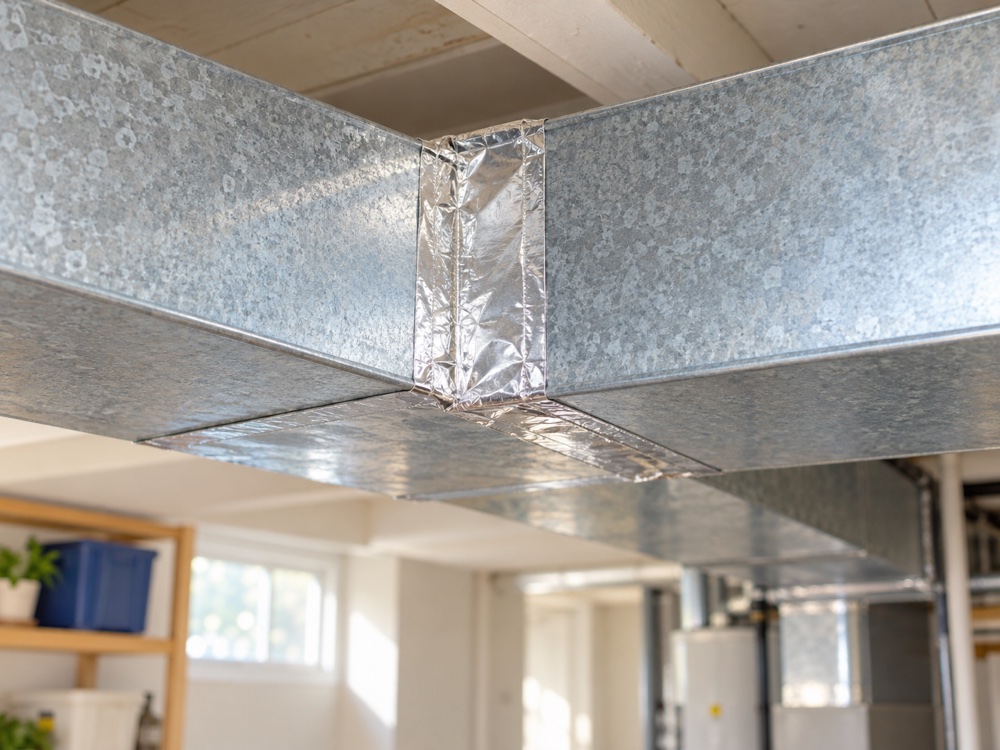
Ductwork: sealing leaks and delivering comfort
Understand leakage, insulation and airflow balance before paying for duct improvements—or a larger heating and cooling system.
Read the draft →
Mini-splits: comfort one space at a time
How ductless heat pumps serve rooms, where a single head falls short, and why a rental installation needs more than a remote control.
Read the draft →
EIFS and traditional stucco: look beyond the finish
Understand how EIFS adds continuous insulation, how drained systems manage rain, and why a fresh finish cannot resolve a concealed moisture problem.
Read the draft →
Electrical capacity: when a panel upgrade makes sense
Understand service capacity, breaker space and load management before planning heat pumps, EV charging or solar.
Read the draft →
ENERGY STAR and Most Efficient: what the labels mean
Use efficiency labels, model ratings and realistic cost comparisons to choose appliances and heating or cooling equipment.
Read the draft →
Exterior doors: compare the complete opening
Make sense of solid wood, insulated steel and fibreglass, patio-door styles and the ratings that describe the door you will actually receive.
Read the draft →
Fireplace drafts: dampers, doors and inserts
An idle chimney can carry heated room air outdoors. Reducing that loss starts with identifying the fireplace and preserving its safe venting.
Read the draft →
An empty home in a hot, humid climate still has a moisture story
Why humidity deserves its own conversation when a home will be empty through warm, humid weather.
Read the draft →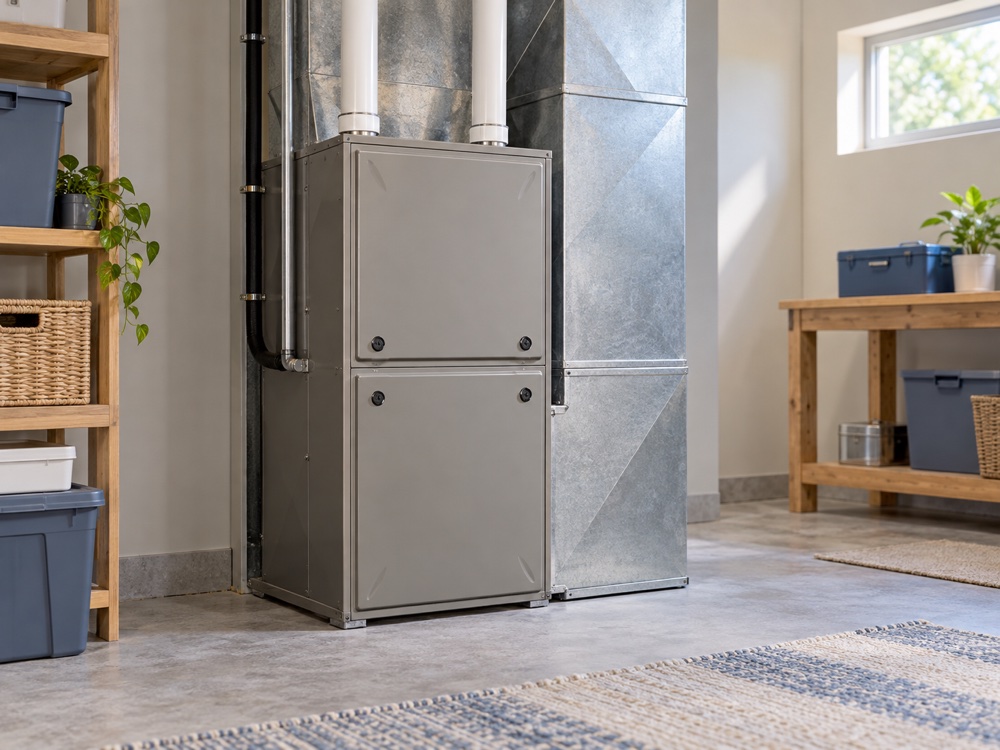
Furnace technology: efficiency, heating stages and airflow
Understand what 80% and 96% AFUE mean, how a condensing furnace recovers more heat, and why burner stages and blower speeds are separate decisions.
Read the draft →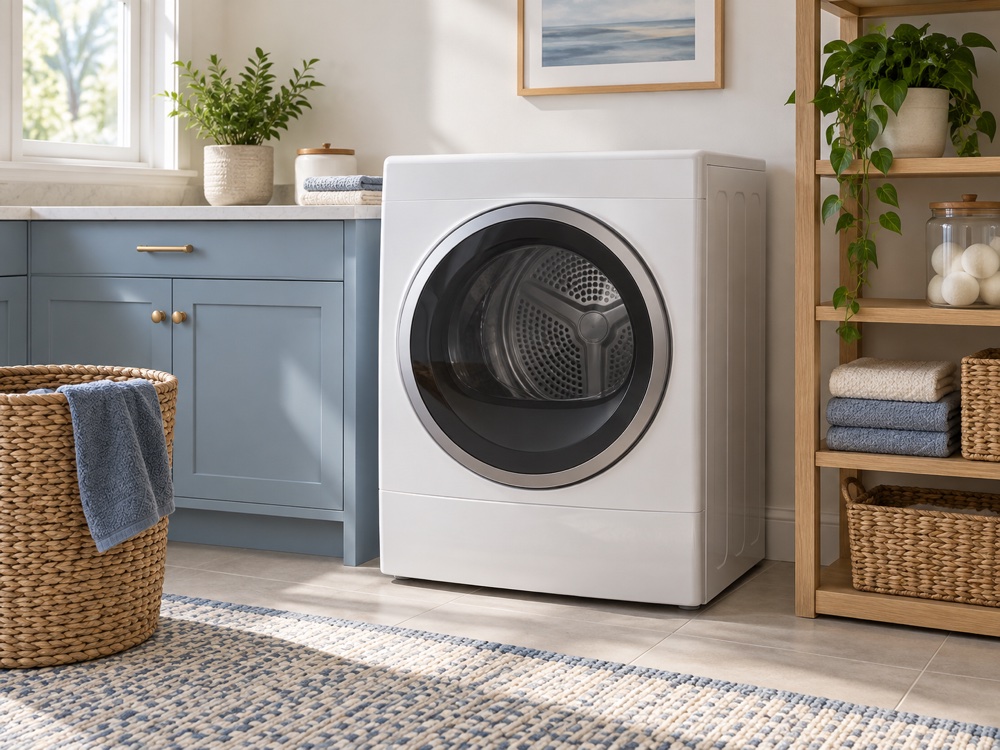
Heat-pump clothes dryers: where the heat and water go
A ventless dryer can make a difficult laundry location more practical. Understand the energy savings, room conditions and ownership details before choosing one.
Read the draft →
Water heaters: heat pump, tankless or conventional?
How hybrid water heaters save electricity, why the room matters, and how to compare storage, tankless and fuel choices around your household's actual needs.
Read the draft →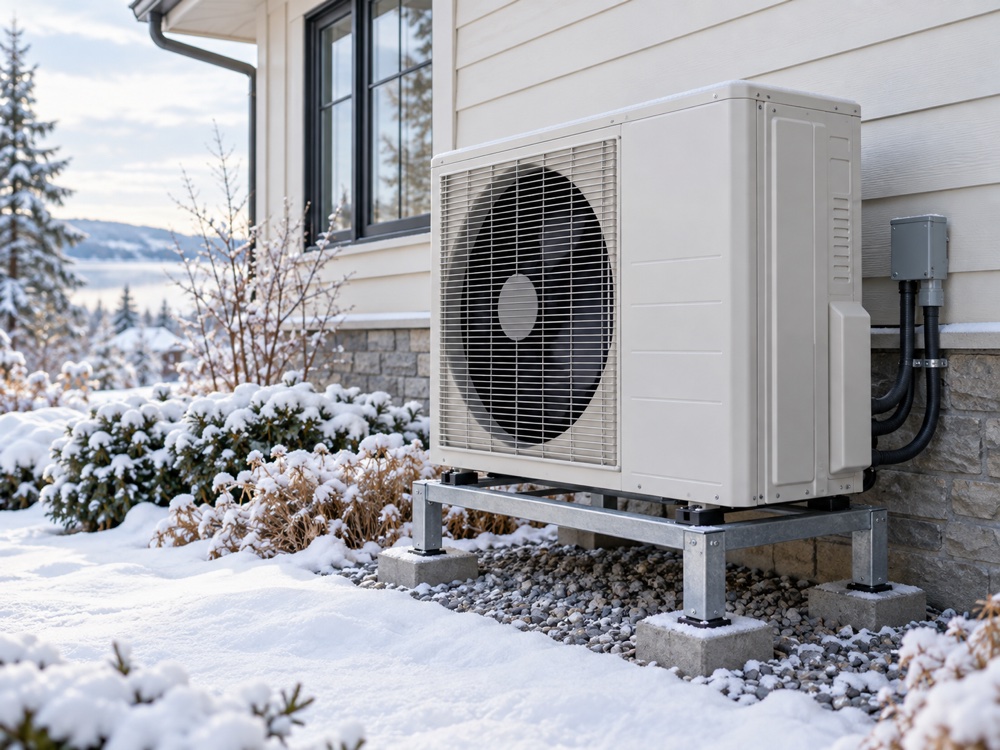
Heat pumps: air-source, cold-climate and ground-source systems
Understand what −30°C operation really means, how to read HSPF2 and SEER2, and when a heat pump and furnace can make a useful team.
Read the draft →
Where your appliances use energy—and what to change first
Build a useful appliance inventory, understand older equipment and separate better habits from worthwhile replacements.
Read the draft →
Home energy audits: what to expect and how to use the results
Understand the tools, questions and reports that turn a home's comfort problems into a practical improvement plan.
Read the draft →
Energy monitors and smart panels: seeing versus controlling
Understand what Sense, Emporia Vue and SPAN actually tell you, how to investigate background use, and when load control is a separate job.
Read the draft →
Home energy incentives: verify the program before you spend
Separate grants, rebates and tax credits, check current availability, and build a practical application plan for your retrofit.
Read the draft →
Hot-water recirculation: less waiting, with an energy trade-off
Understand dedicated returns, demand pumps and the difference between saving water and keeping a long pipe loop hot.
Read the draft →
HRVs and ERVs: fresh air, heat recovery and humidity
Both exchange indoor and outdoor air while recovering heat. Moisture transfer is the difference—and your home matters as much as the climate.
Read the draft →
Induction cooking: energy, everyday use and kitchen air
Understand what induction changes at the pan, how to compare energy claims, and why every cooking method still needs attention to ventilation.
Read the draft →
Insulated siding: what the foam backing adds
Foam-backed siding can add thermal resistance and support the outer panel. Learn how to judge product ratings, impact claims and likely benefits for your wall.
Read the draft →
Passive House and Net Zero Ready: a renovation roadmap
Explore the five Passive House principles, distinguish the certification routes, and use a whole-home plan to make major renovations work together.
Read the draft →
Pool pumps: variable speed, circulation and electricity use
Understand why pump speed matters, what a savings estimate should include, and how efficient circulation fits a healthy pool.
Read the draft →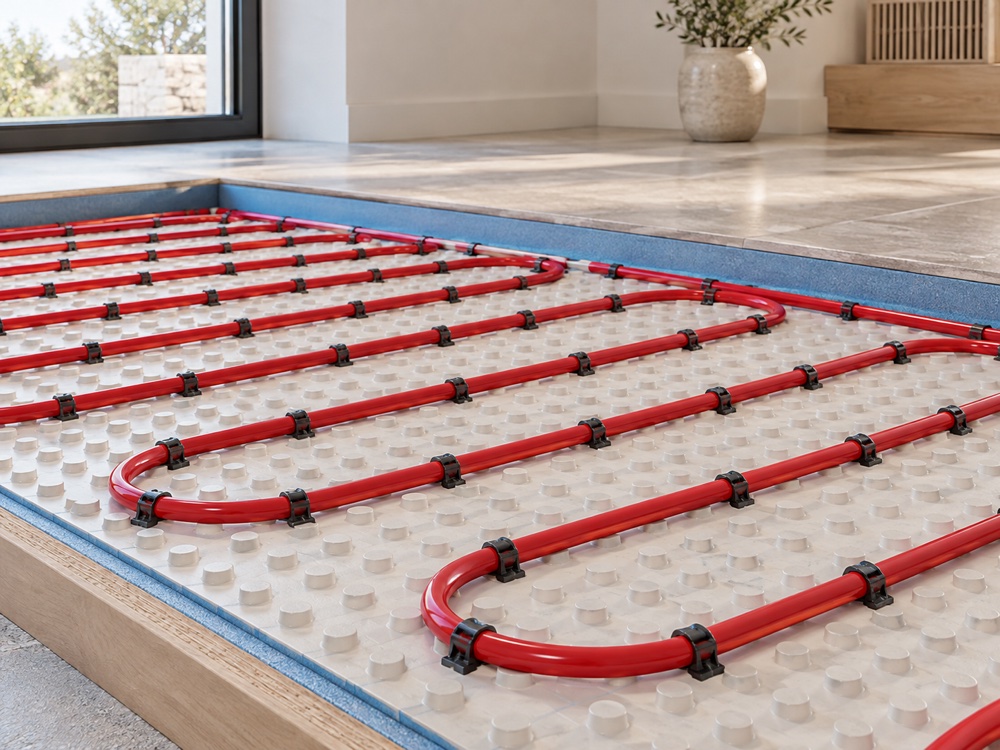
Radiant floors: hydronic heat and electric warming
Understand how heated floors deliver comfort, why the heat source matters, and what tile, concrete and wood finishes require from the design.
Read the draft →
Renter-friendly comfort and energy improvements
Choose practical improvements for a rented home: manage sunlight, understand removable films and draught stoppers, choose compatible LEDs, and assess portable heating and cooling before buying.
Read the draft →
Siding: materials, insulation and rainscreens
Compare brick, vinyl, wood, fiber cement and stucco by looking at the whole wall, including the drainage and drying space behind it.
Read the draft →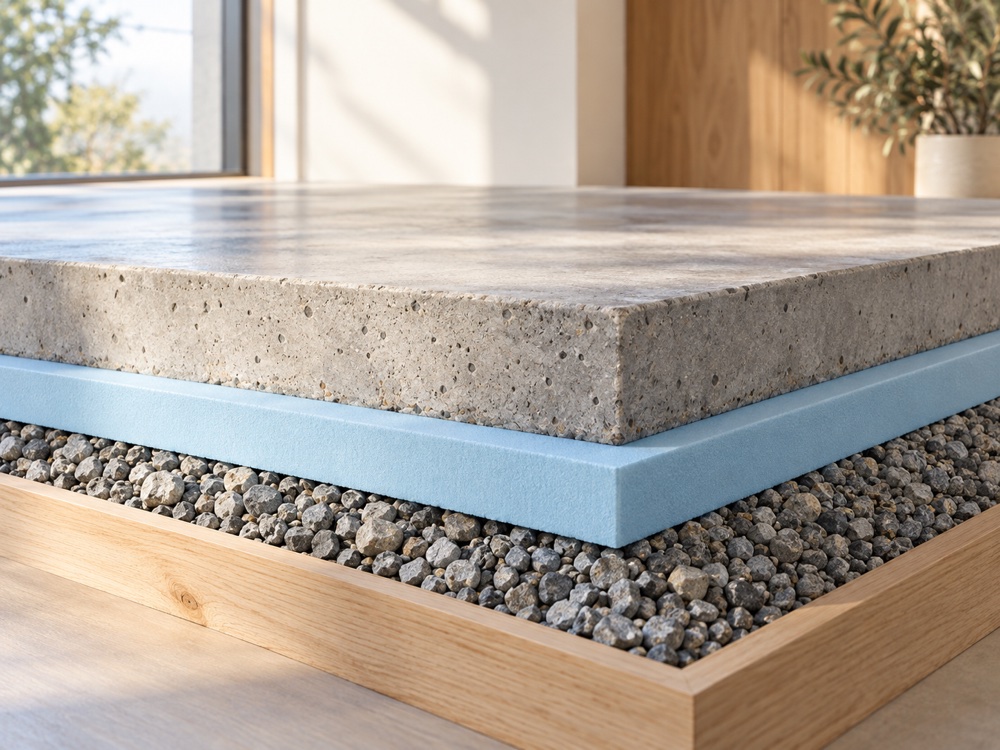
Slab insulation: the floor, the edge and the ground
Understand how slab edges move heat, why below-floor insulation differs from a frost-protection skirt, and what a sound new-build or retrofit proposal should address.
Read the draft →
Smart blinds: useful timing, sensible controls
See how automated shading can manage unwanted sun, what existing blinds can support, and which controls need to keep working when an app or connection does not.
Read the draft →
Smart thermostats and zoning: controls that fit the home
Learn what schedules, sensors and zoning can change—and why compatibility, rental permissions and airflow come before an app.
Read the draft →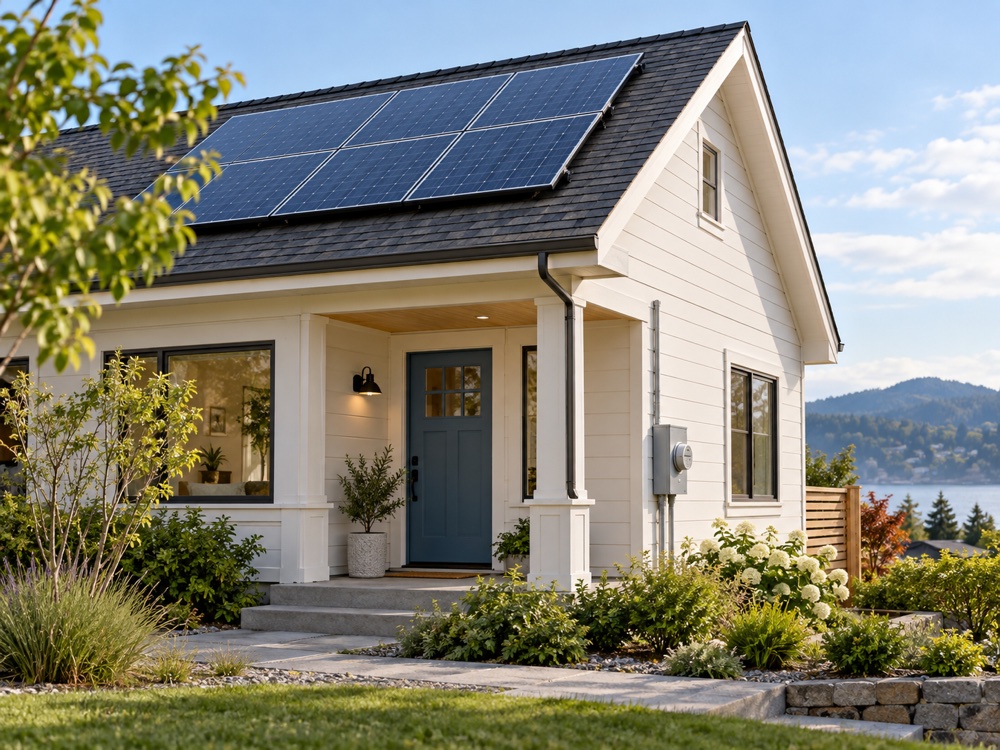
Solar export credits and battery economics
A dated comparison of selected Canadian and southern U.S. utility arrangements—and a practical way to test the extra value of storage.
Read the draft →
Solar PV: panels, grid connections and battery backup
Understand what a solar system produces, what storage changes, and which assumptions belong in a useful payback estimate.
Read the draft →
Thermal bridging: the heat paths around insulation
Understand why studs, concrete and metal connections change a wall’s performance, and how exterior insulation and thermal breaks help.
Read the draft →
Vapour-retarder classes and the wall around them
Read Class I, II and III ratings, understand why placement changes with climate and insulation, and ask better questions before altering a wall.
Read the draft →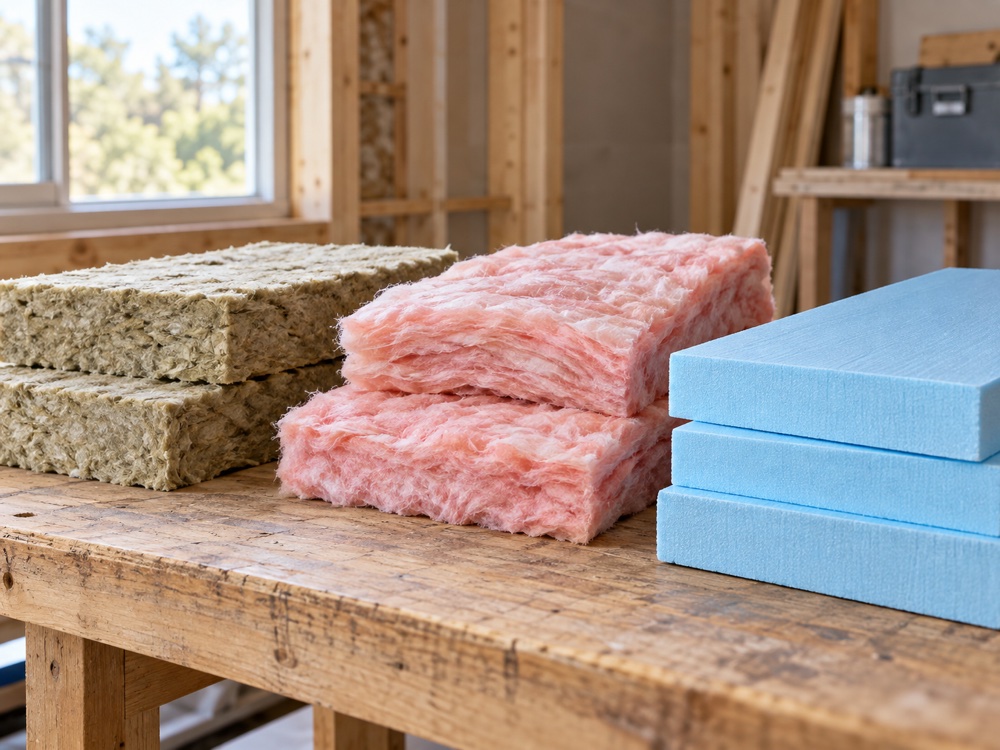
Wall insulation: materials, framed walls and double brick
Compare R-values, understand what fits a framed wall, and see why an older double-brick home needs a different moisture plan.
Read the draft →
House wraps and WRBs: rain control and wall drying
Separate rain protection, air sealing and vapour diffusion, then read perm ratings in the context of the entire wall.
Read the draft →
Weatherstripping: match the seal to the moving joint
Understand V-strips, foam, sweeps and flexible seals, including the different jobs around an overhead garage door.
Read the draft →
Whole-house fans: when night air can help
Learn how whole-house fans cool occupied rooms, why humidity can outweigh a cooler night, and what makes a savings comparison credible.
Read the draft →
Window coverings: warmth, shade and a clearer view
Compare curtains, cellular shades, solar screens and film by the comfort problem they solve—and by the performance the whole window can deliver.
Read the draft →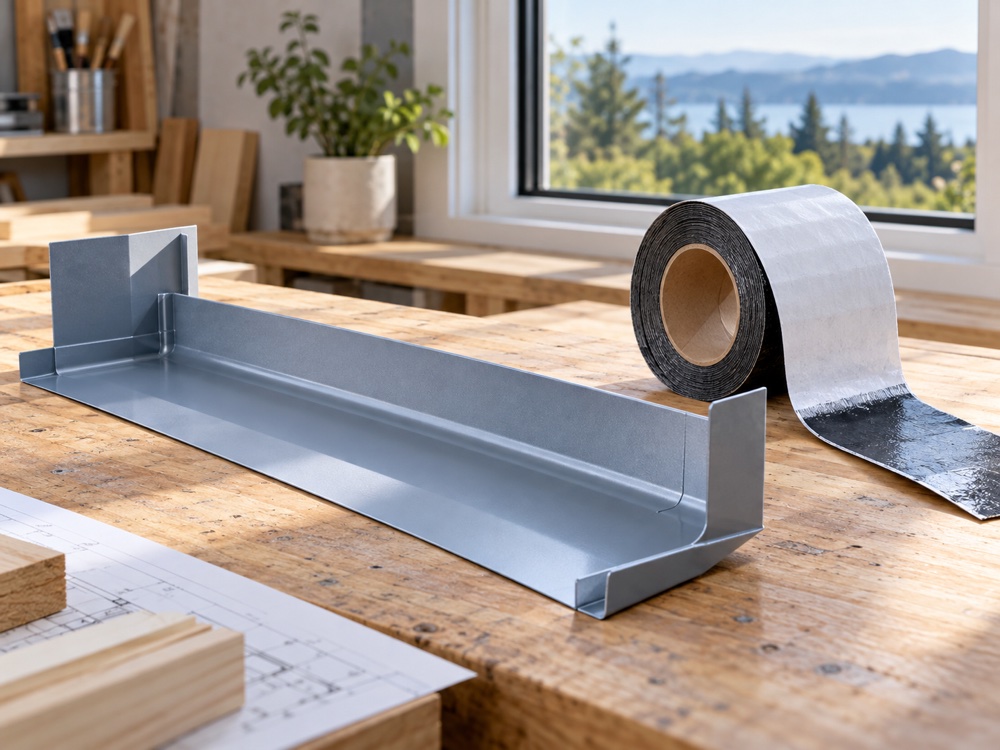
Window and door flashing: give rain a way out
Understand sill pans, flashing tapes and overlapping layers so you can ask better questions about hidden water protection.
Read the draft →
Window film: solar control, daylight and glass compatibility
Make sense of ceramic, metallic and static-cling labels, then compare solar performance and check whether the film suits your glass.
Read the draft →
Windows: frames, glass and energy performance
Read the frame, glass and performance ratings together to understand winter heat loss, summer solar gain and everyday comfort.
Read the draft →
Why windows get wet on a Canadian winter morning
Connect the moisture in the room with the temperature of the glass before deciding what needs to change.
Read the draft →
Home security: choose the response, then the equipment
An alarm is a chain of detection, communication and response. Compare who takes the next step, what works during an outage and what you are agreeing to pay for.
Read the draft →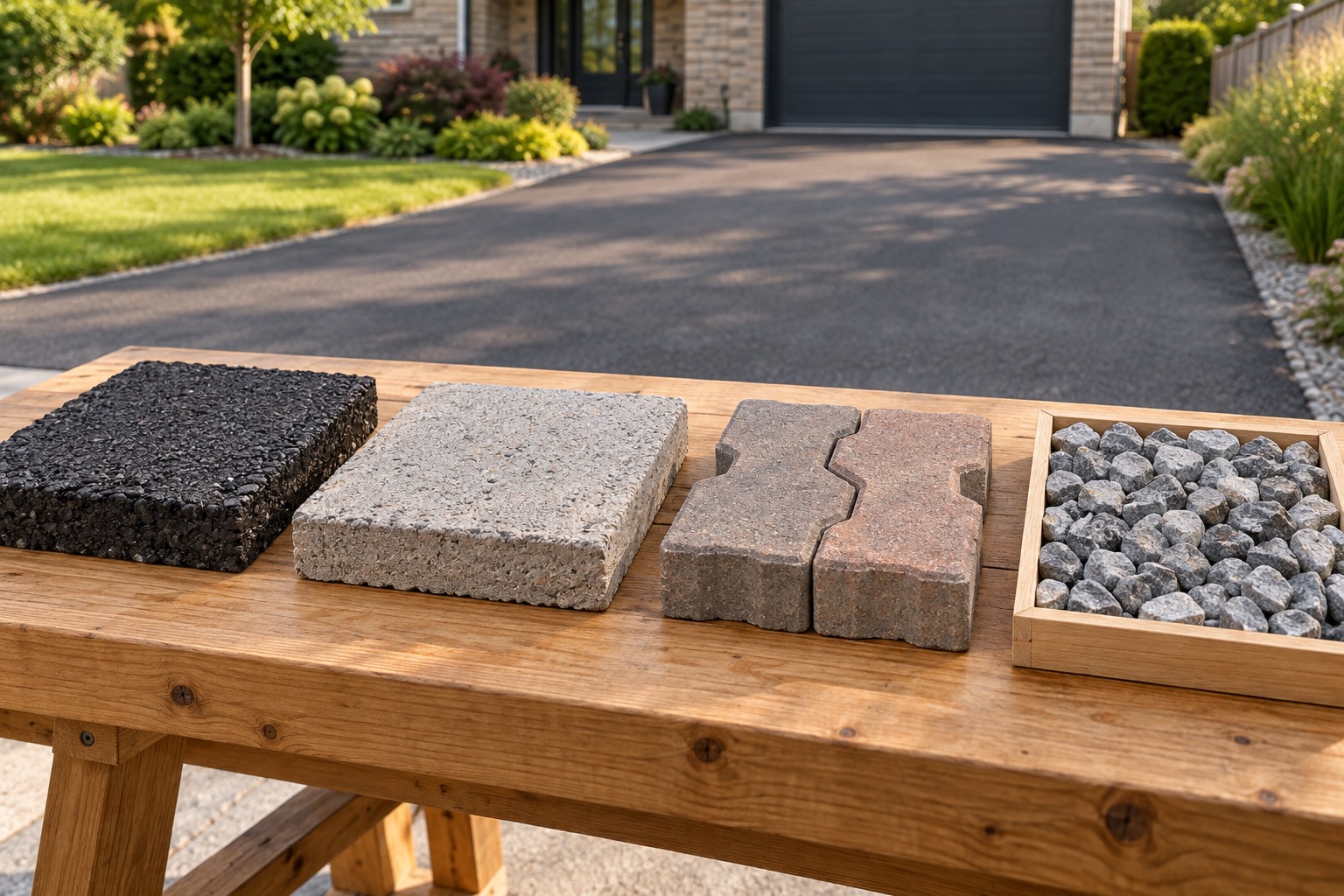
Driveways: asphalt, concrete, pavers or gravel?
The surface catches your eye. The soil, base and drainage usually decide whether it stays level. Compare materials as complete systems, including future repairs.
Read the draft →
Garbage disposals: useful habits, safe limits and septic care
Grinding food makes smaller particles, not disappearing waste. Know your model, protect the drain and stop safely when something goes wrong.
Read the draft →
Home and renters insurance: know what the policy actually protects
Compare the building, belongings, liability and temporary-living provisions separately. Then ask which causes of loss, limits and deductibles apply.
Read the draft →
Seasonal home maintenance: a calendar that fits your home
Use routine checks to catch small changes early. Organise work around your climate, equipment instructions and household responsibilities rather than a one-size-fits-all month.
Read the draft →
Roof shapes: what gables, hips and flat roofs change
Recognize the main roof forms, then look beyond the silhouette to drainage, usable space, wind and snow.
Read the draft →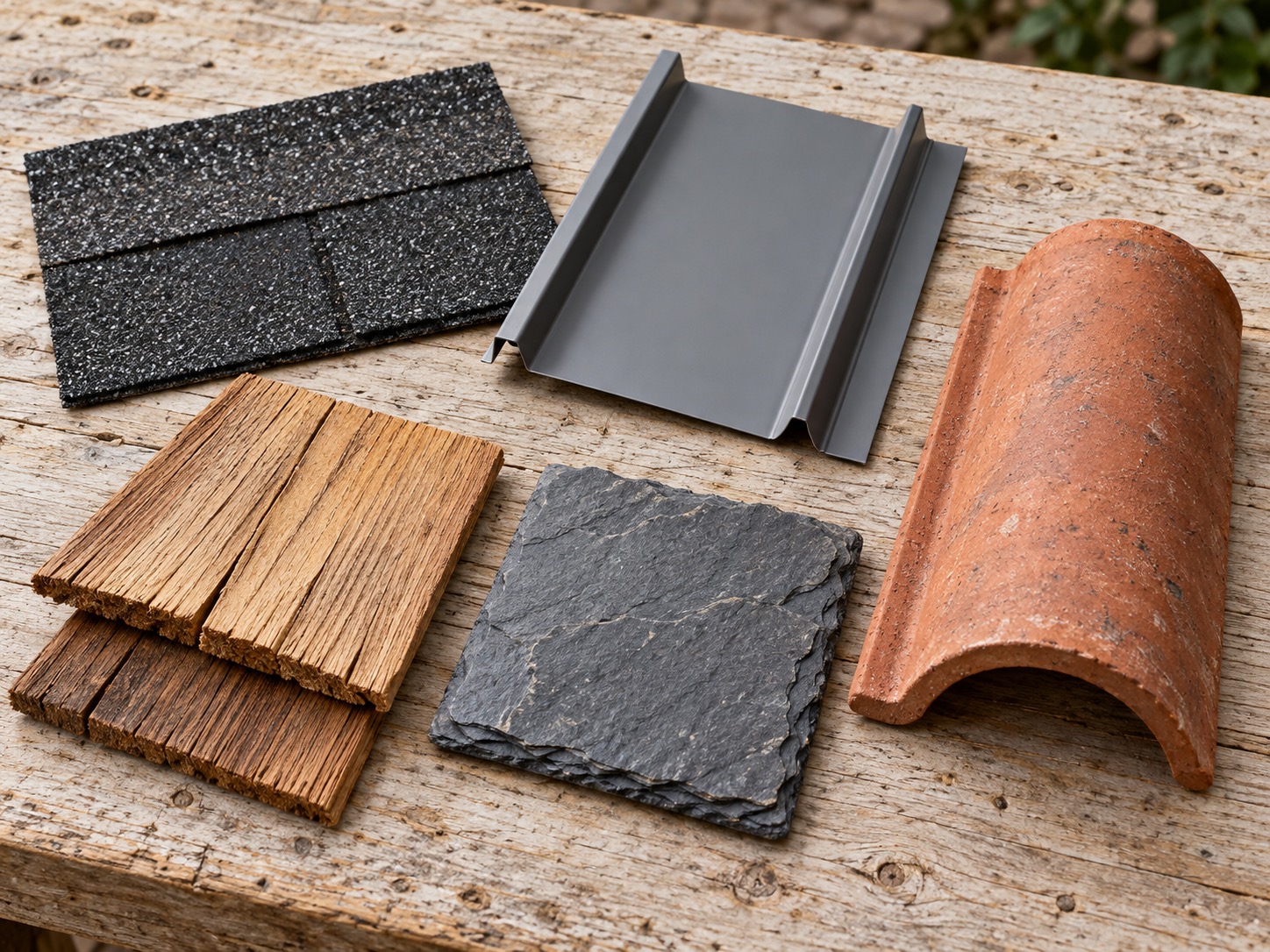
Roofing materials: compare the system beneath the colour
Asphalt, metal, cedar, slate and clay tile bring different demands for support, detailing, care and repair.
Read the draft →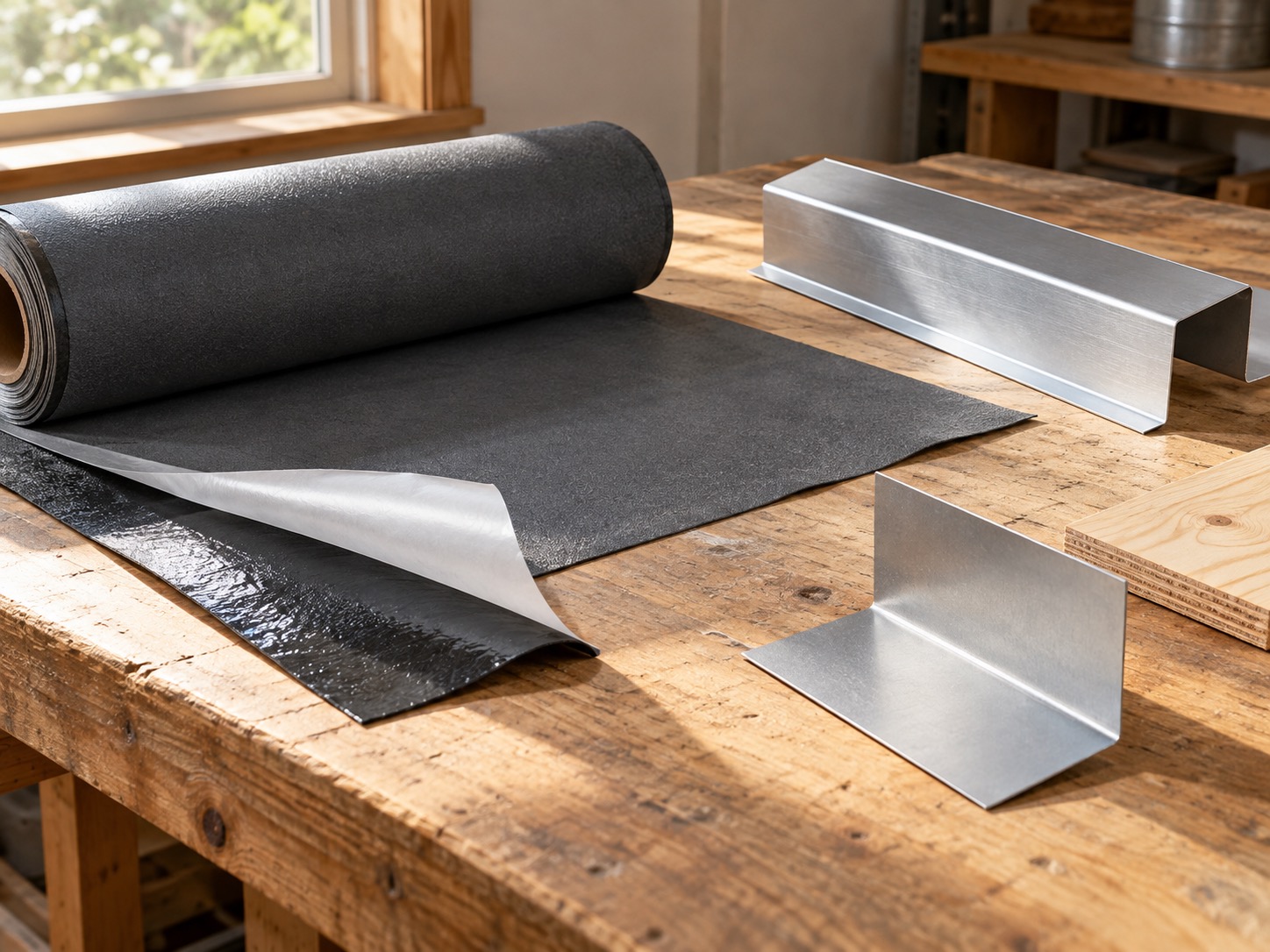
Roof underlayment and flashing: the layers that manage a leak
Understand membranes, felt, synthetic underlayment and metal details before they disappear beneath the roof covering.
Read the draft →
Patio or deck: choose the outdoor space the site can support
Compare ground-supported paving with a raised structure, including drainage, frost, care and the cost of getting the details right.
Read the draft →
Fences: choose the material, then design the whole boundary
Compare wood, vinyl, composite, aluminum and chain link while giving posts, gates, wind and neighbours their due.
Read the draft →
Kitchen countertops: choose the surface you want to live with
Quartz, granite, marble, wood and laminate each ask something different of the people using them. Compare the daily habits as well as the samples.
Read the draft →
Paint: choose the coating, prepare the surface
Sheen changes appearance. Preparation, moisture control and the right coating system determine whether the finish stays there.
Read the draft →
Landscaping that gives rain somewhere to go
Follow water from roof to ground before choosing grading, a swale, a rain garden or a retaining wall.
Read the draft →
Termites and carpenter ants: spot the clues, find the cause
Wood damage, mud tubes and stray wings mean different things. Identification comes before treatment—and moisture control belongs in the plan.
Read the draft →
Deck care: clean the surface, check the structure
A fresh stain can improve appearance. It cannot repair a weak ledger, a rotten joist or a loose guard.
Read the draft →
Toilets: a better flush with less water
Compare flush volumes, dual-flush controls and real performance before replacing a toilet that leaks or wastes water.
Read the draft →
Water treatment: softeners, conditioners and drinking-water filters
Hardness, taste and contaminants are different problems. Choose the treatment that addresses the one you actually have.
Read the draft →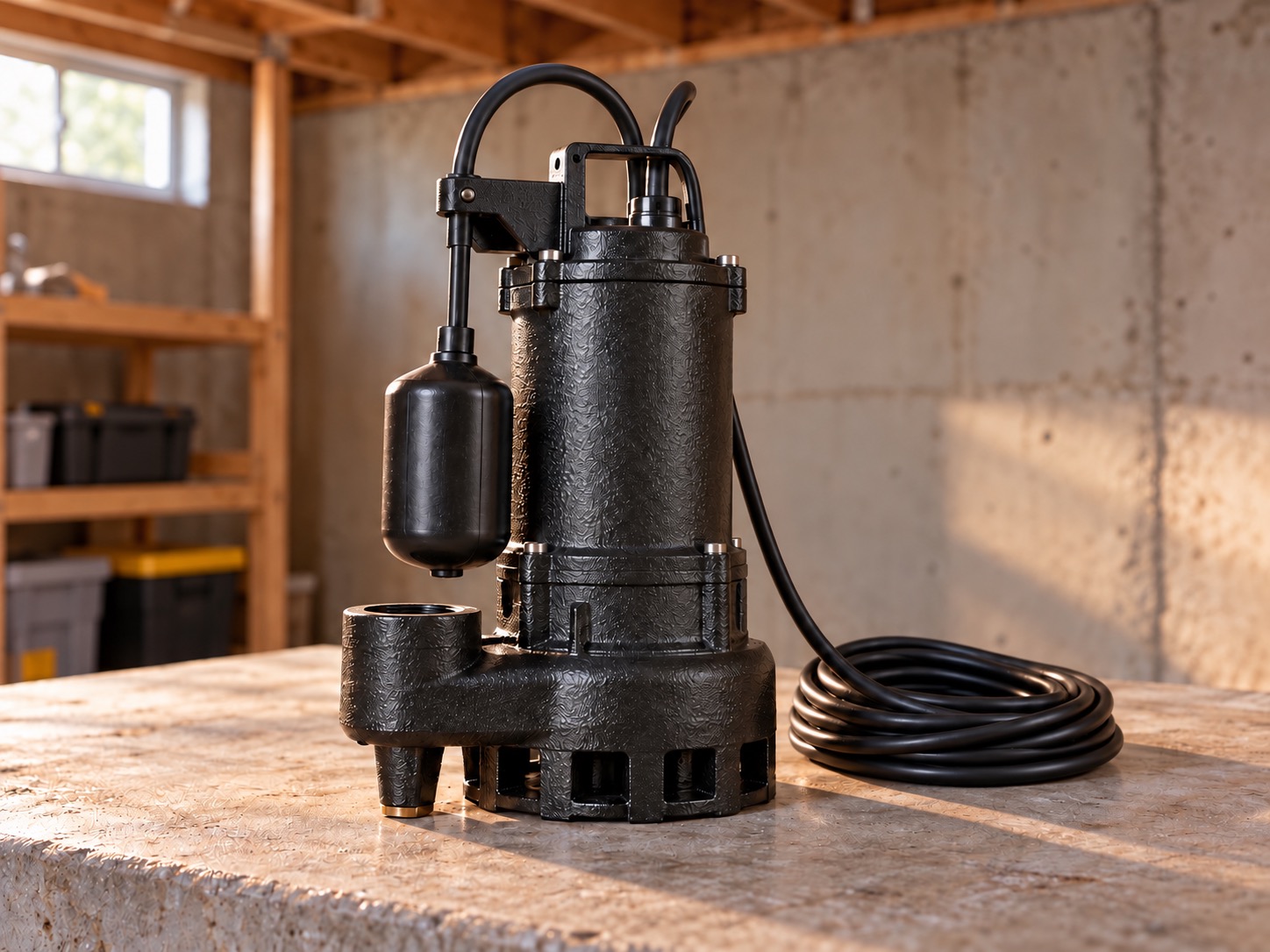
Sump pumps: moving groundwater out and planning for failure
Understand the basin, discharge and backup plan before a storm tests them together.
Read the draft →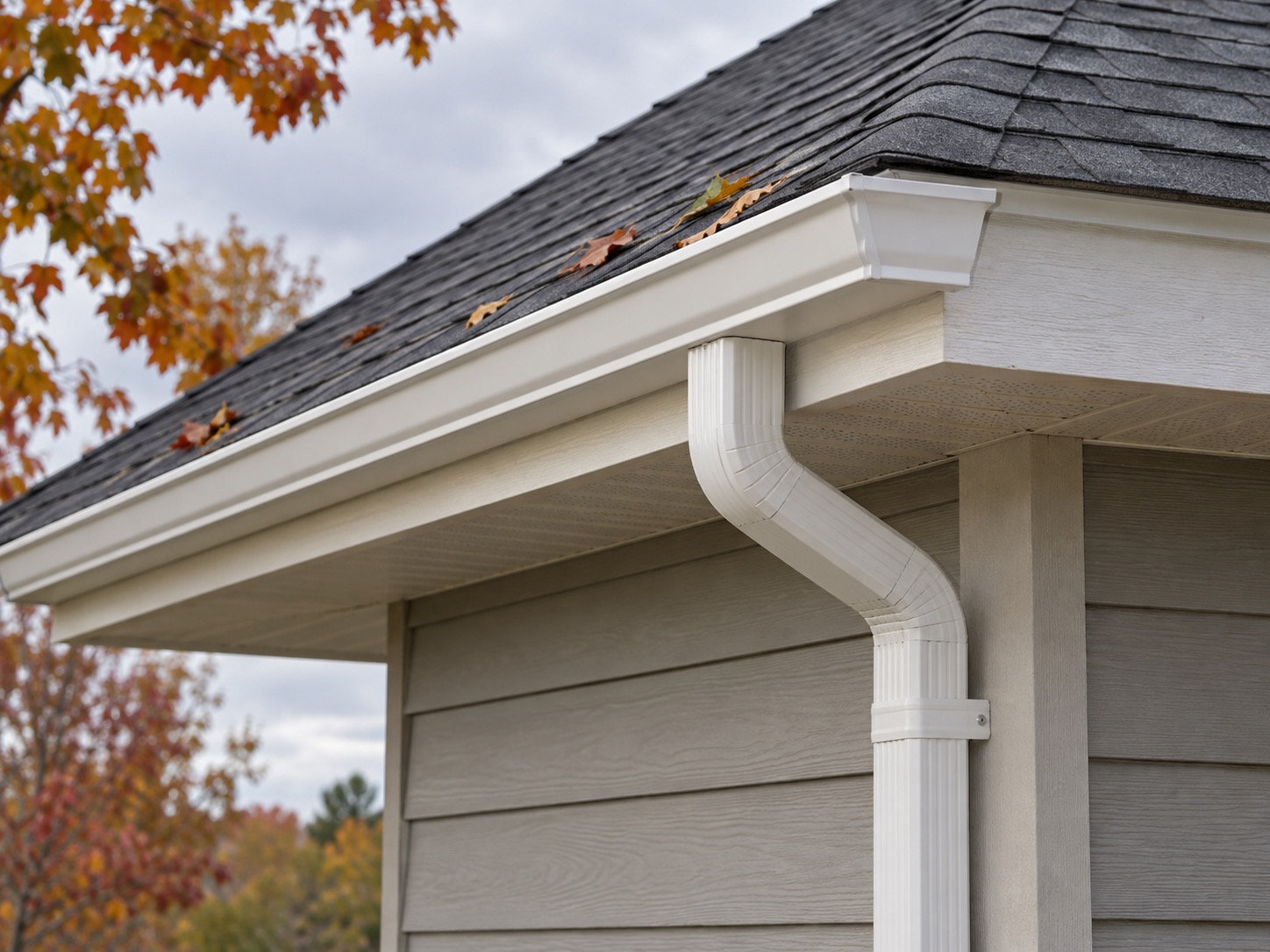
Gutters and drains: give rain a complete route away
Seamless gutters, leaf guards and buried drains solve different parts of a water-management problem.
Read the draft →
Drywall repairs: small patches, sound walls and rental permissions
A tidy repair starts by identifying the damage, the wall assembly and who is authorised to change it.
Read the draft →
Home plumbing: know the pipes, find the shutoff
Understand copper, PEX, PVC and older steel pipes, then make a practical plan for leaks and freezing weather.
Read the draft →
Breakers, AFCIs and GFCIs: understand the protection
Learn what the devices do, what repeated trips are telling you, and which warning signs need prompt professional attention.
Read the draft →
Sewer lines: clogs, roots and what a camera can tell you
Recognize a developing backup, protect the drain system and ask better questions before approving a sewer repair.
Read the draft →
Wood, laminate or vinyl: choose a floor for the room
Compare the surface you see, the layers underneath and the moisture conditions that decide whether a floor performs well.
Read the draft →
Foundations: types, movement and warning signs
Understand concrete walls, slabs and piers—and why diagnosing the ground and water matters before choosing a repair.
Read the draft →
Home batteries: chemistry, usable capacity and critical-load backup
Understand LFP, other lithium-ion chemistries and saltwater batteries, then ask what the complete system can actually keep running.
Read the draft →
Whole-home surge protection: what Types 1, 2 and 3 actually mean
See why a plug-in strip is only one layer, how permanent SPDs fit the electrical system, and where protection has limits.
Read the draft →
Smart leak detection and automatic shutoff: know what each device can do
Compare moisture sensors, flow monitoring and pressure tests, then plan the automatic and human response to a leak.
Read the draft →
Septic care: protect the tank, the drainfield and the treatment process
Understand how wastewater moves through the system, why pumping intervals vary, and which warning signs need attention.
Read the draft →
Private wells: pumps, pressure tanks and water you can trust
Separate water pressure from available supply, understand the tank’s role, and choose testing and treatment for the actual water.
Read the draft →
Air filtration: match MERV, HEPA, carbon and UV to the job
Understand what each technology removes, what it leaves behind, and why airflow matters as much as the filter label.
Read the draft →
Radon: test the home, then choose a measured solution
Read long-term results correctly and understand how soil-gas mitigation differs from ordinary ventilation.
Read the draft →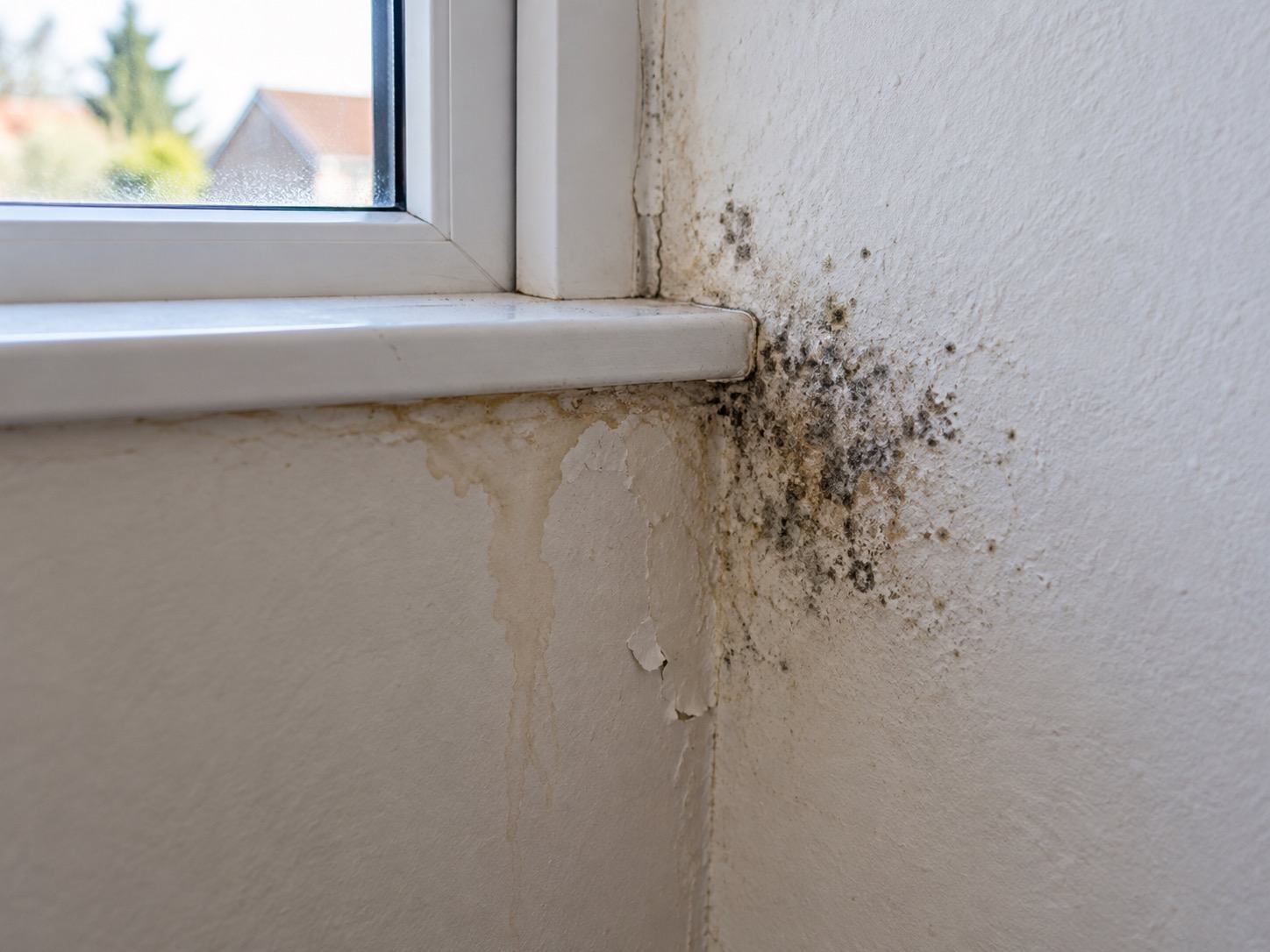
Mould and moisture: investigate the cause before covering the mark
Recognize useful clues, understand the limits of testing, and know when cleanup needs professional containment.
Read the draft →
Smart locks: start with the door, then plan access
Compare replacement deadbolts and interior retrofits, read hardware ratings carefully, and plan for batteries, permissions and digital keys.
Read the draft →
Home EV charging: size the plan to the driving
Compare Level 1 and Level 2, understand load management, and prepare a useful electrical assessment before buying equipment.
Read the draft →
Natural gas and propane: match the appliance to the fuel
Understand fuel compatibility, gas piping and the questions to ask before changing an appliance.
Read the draft →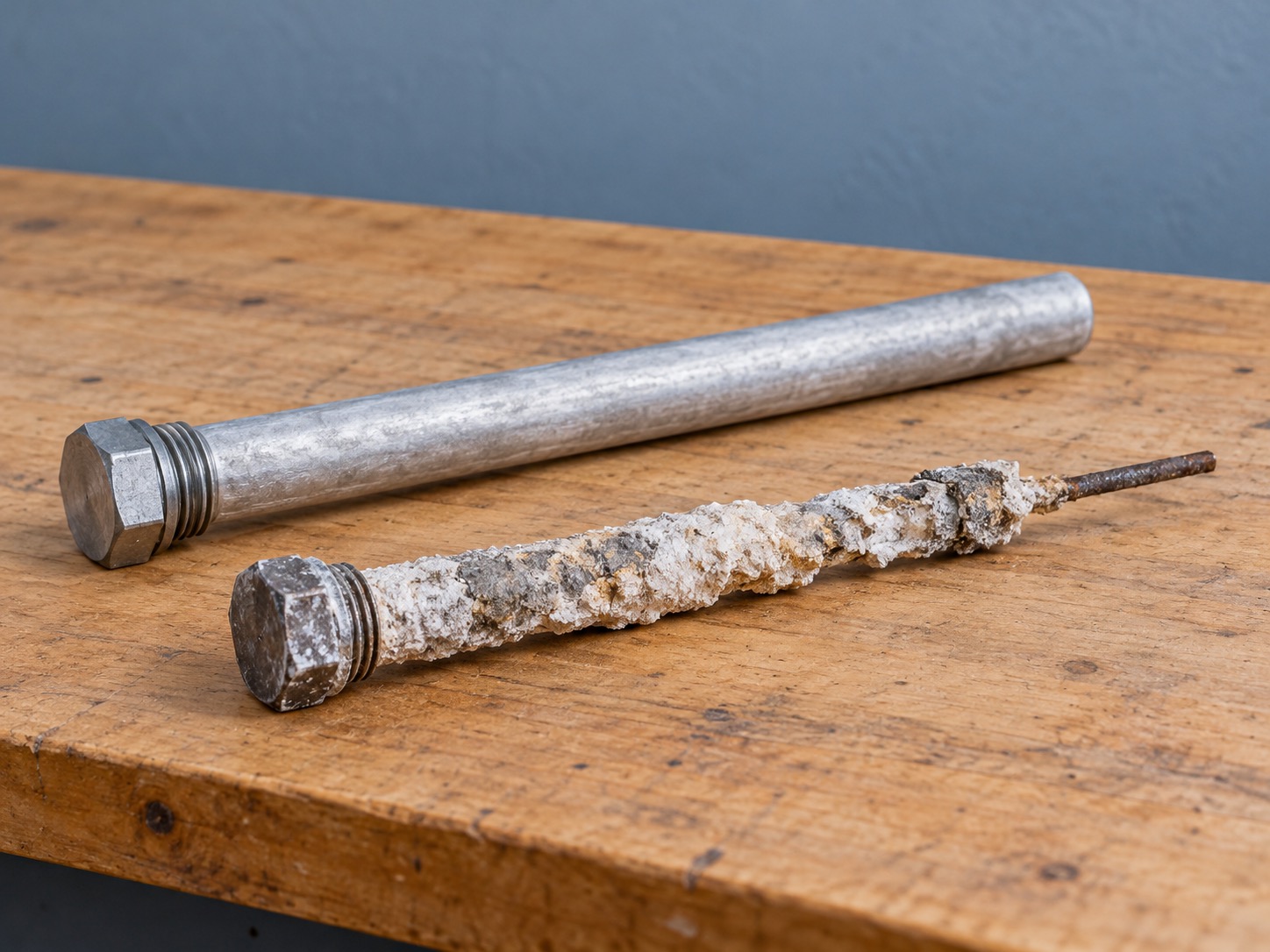
Water-heater anodes and flushing: maintenance that fits the tank
Learn what an anode protects, what flushing removes, and why the right schedule depends on your water and equipment.
Read the draft →
Garage workshop power: plan the work before the panel
Map equipment, simultaneous use and lighting before deciding on a subpanel or 240-volt circuits.
Read the draft →
Renovation approvals: permits, codes and association rules
Separate public approvals from condo or HOA permission, and keep the completion records that matter later.
Read the draft →
Backdrafting and carbon monoxide: when exhaust changes the house
Understand how fans and combustion appliances interact, and why makeup air needs a whole-house assessment.
Read the draft →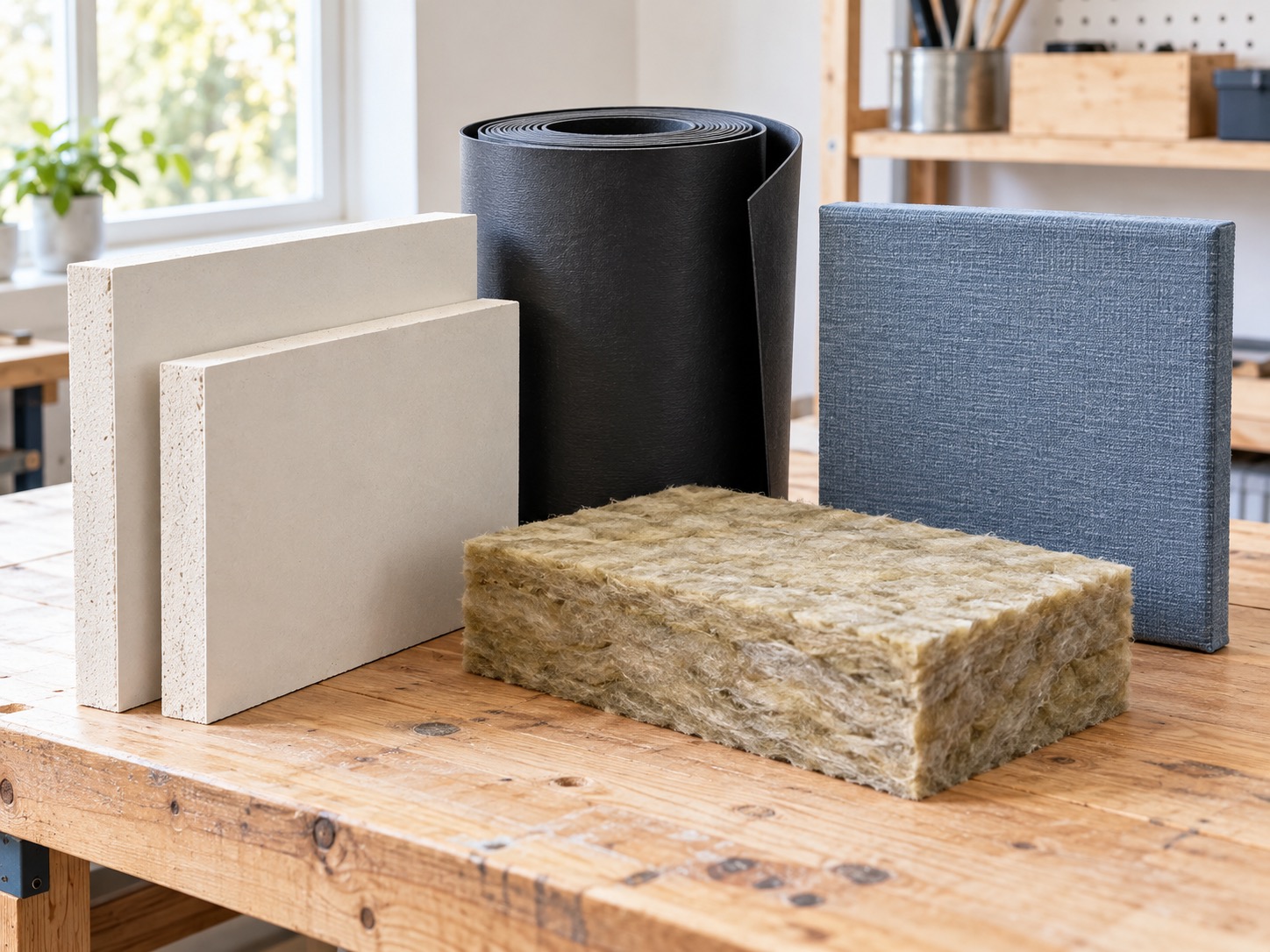
Soundproofing: quieter rooms start with the path the sound takes
Acoustic panels, extra mass and resilient connections do different jobs. Match the treatment to voices, footsteps or vibration before choosing materials.
Read the draft →
Replacing windows: full-frame or insert?
The old frame and its water-management details decide whether a neat insert is enough or the opening needs a fuller repair.
Read the draft →
Retaining walls: the engineering behind the garden face
Gravity, reinforced soil, cantilevers and anchors resist soil in different ways. Height alone cannot tell you whether a wall is a safe DIY project.
Read the draft →
Before the new floor: subfloors and underlayments
Flatness, stiffness, moisture and sound control are separate checks. Choose the layers beneath tile, vinyl or wood as one compatible system.
Read the draft →
Plumbing vents and AAVs: protecting the water in the trap
Vents balance drainage-system pressure. Air admittance valves can solve some routing problems, but they do not universally replace an outdoor vent.
Read the draft →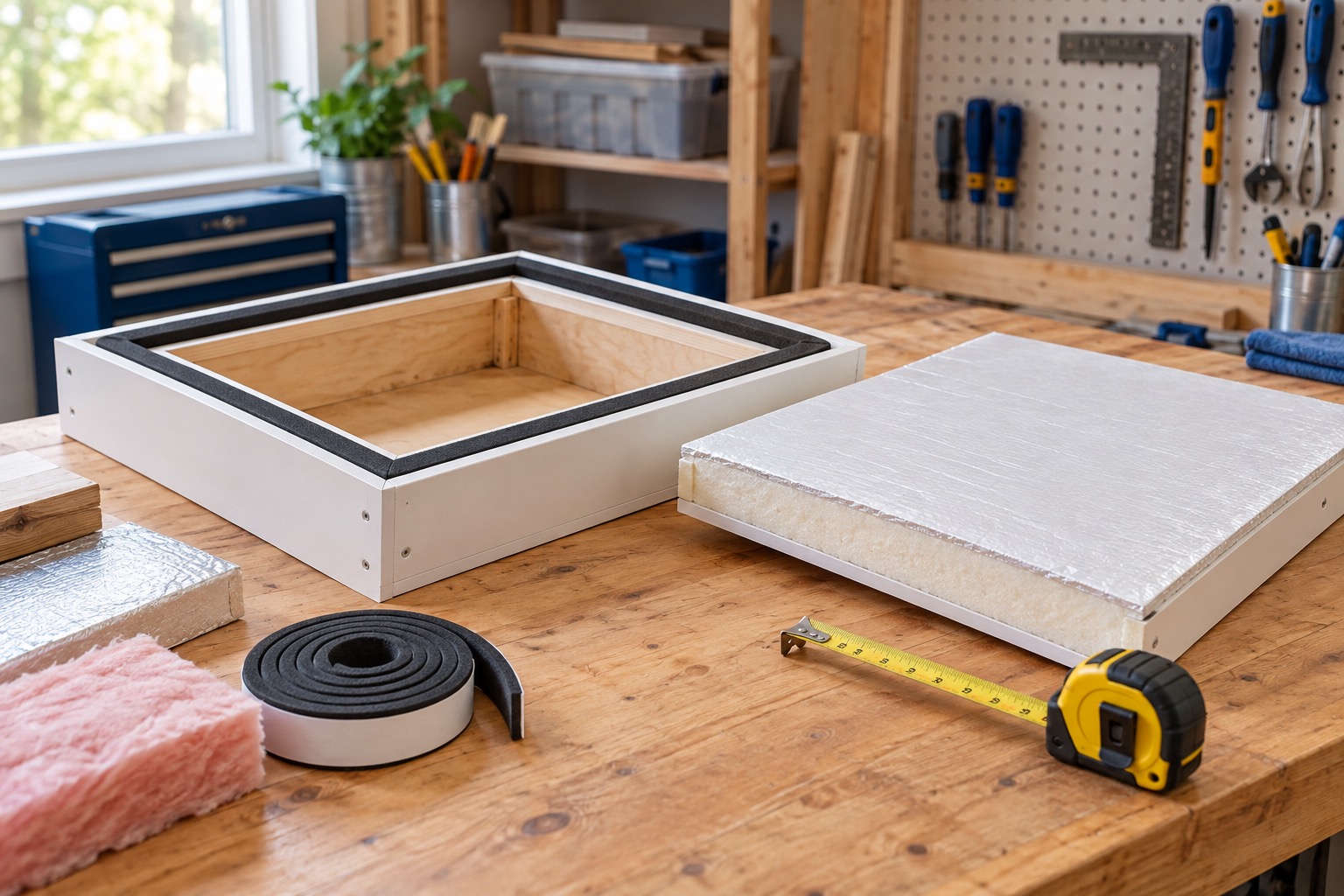
Attic ladders and insulated covers: close the gap above you
An attic opening needs safe access, a continuous air seal and insulation that stays effective after every visit.
Read the draft →
Outdoor kitchens: plan the weather and utilities first
Choose a workable layout, suitable materials and service connections before committing to the island and appliances.
Read the draft →
Smoke alarms, CO alarms and extinguishers: build a complete plan
Understand the different jobs of detection, warning, escape and small-fire equipment.
Read the draft →
A better home office: comfort, networking and backup power
Fit the workstation to the person, connect the equipment reliably and decide what needs to survive a power interruption.
Read the draft →
Your home in an estate plan: title, wills and decision-making
Understand which documents govern ownership, inheritance and decisions during incapacity before changing a deed or choosing a trust.
Read the draft →
Rental water heaters and HVAC: understand the equipment and the agreement
Compare ownership, payments, service coverage and exit terms without assuming one arrangement fits every household.
Read the draft →
Air sealing: common leaks and practical repairs
Find common air-leakage paths around pipes, wiring, trim, doors and attic hatches, and match the repair to the joint.
Read the draft →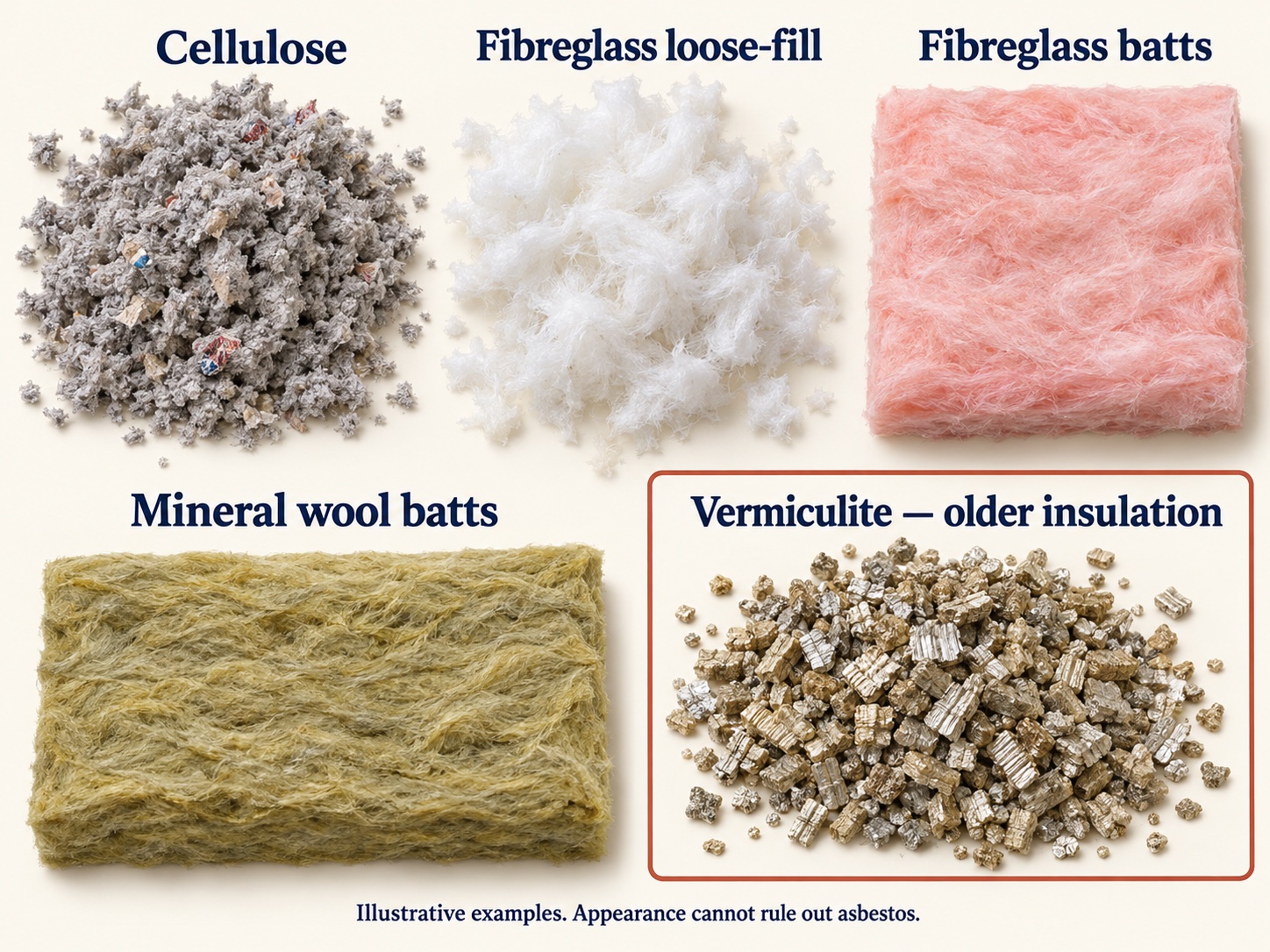
Attic insulation types: a visual guide to what you may find
Compare cellulose, loose-fill fibreglass, batts, mineral wool and older vermiculite before planning an upgrade.
Read the draft →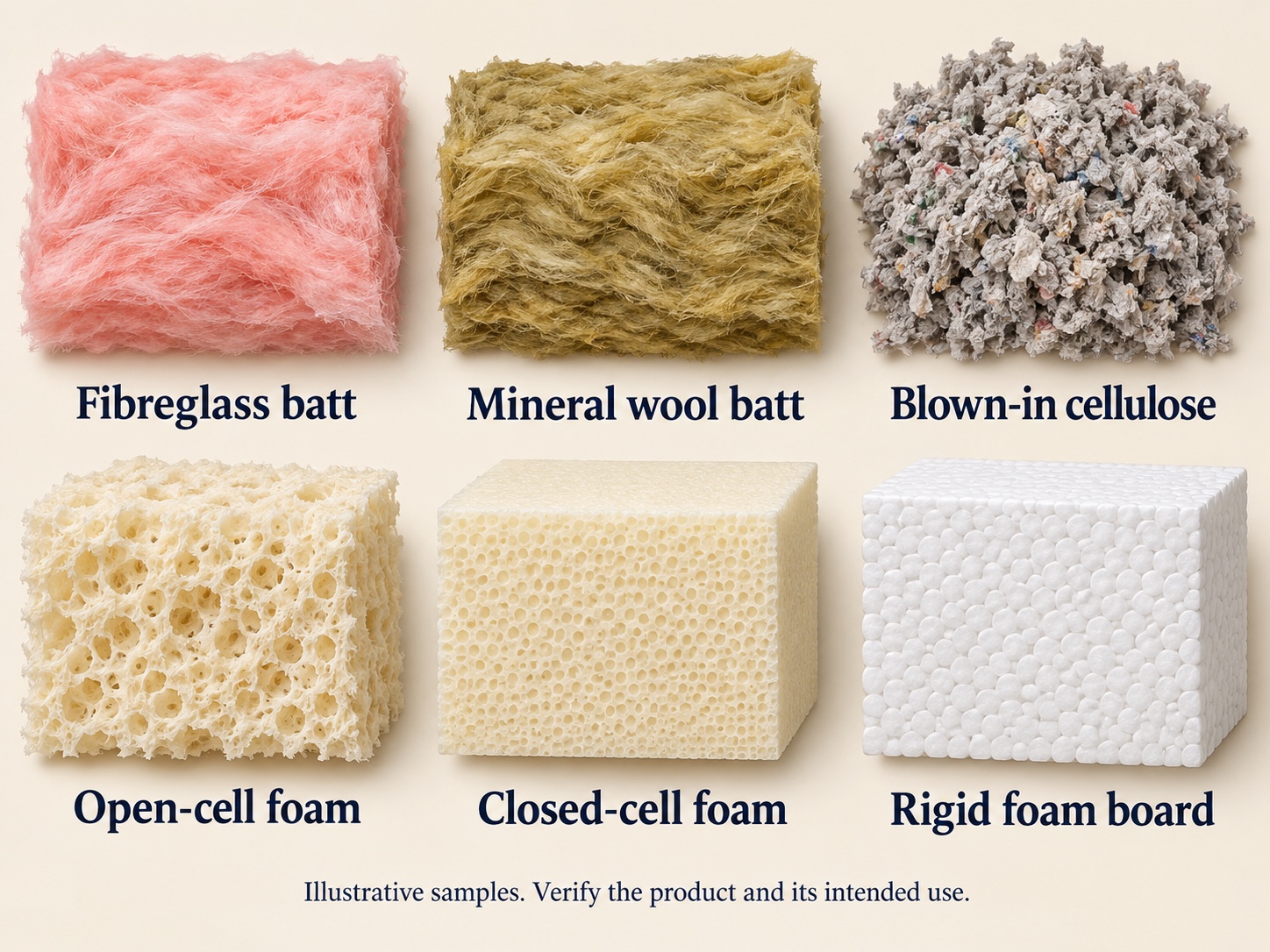
Wall insulation types: batts, blown fibres, boards and spray foam
Recognize common insulation forms and compare their advantages, limitations and place in the complete wall.
Read the draft →No matching articles yet. Try a shorter phrase or browse a topic above.